
A Living Room Made for Conversation
A thoughtful seating plan can make an ordinary living room easier to share. Start with the people, then arrange the furniture.
 A home, thoughtfully made.
The complete collection
Fifty thoughtful stories about the spaces we live in, the pieces we choose, and the small decisions that make a home.
A thoughtful seating plan can make an ordinary living room easier to share. Start with the people, then arrange the furniture.
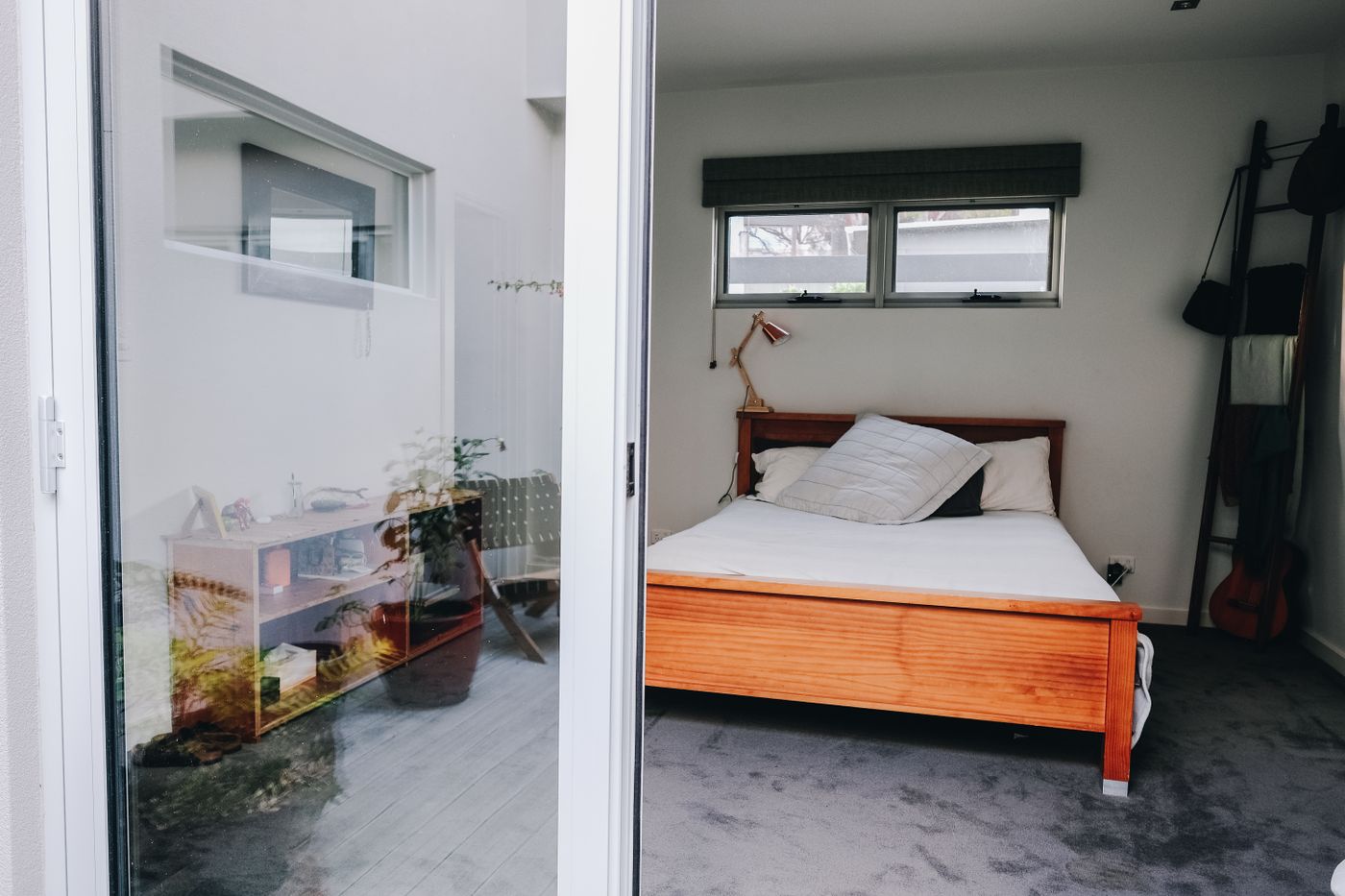
Build a restful bedroom through useful layers of light, fabric, storage, and texture rather than a matching set.
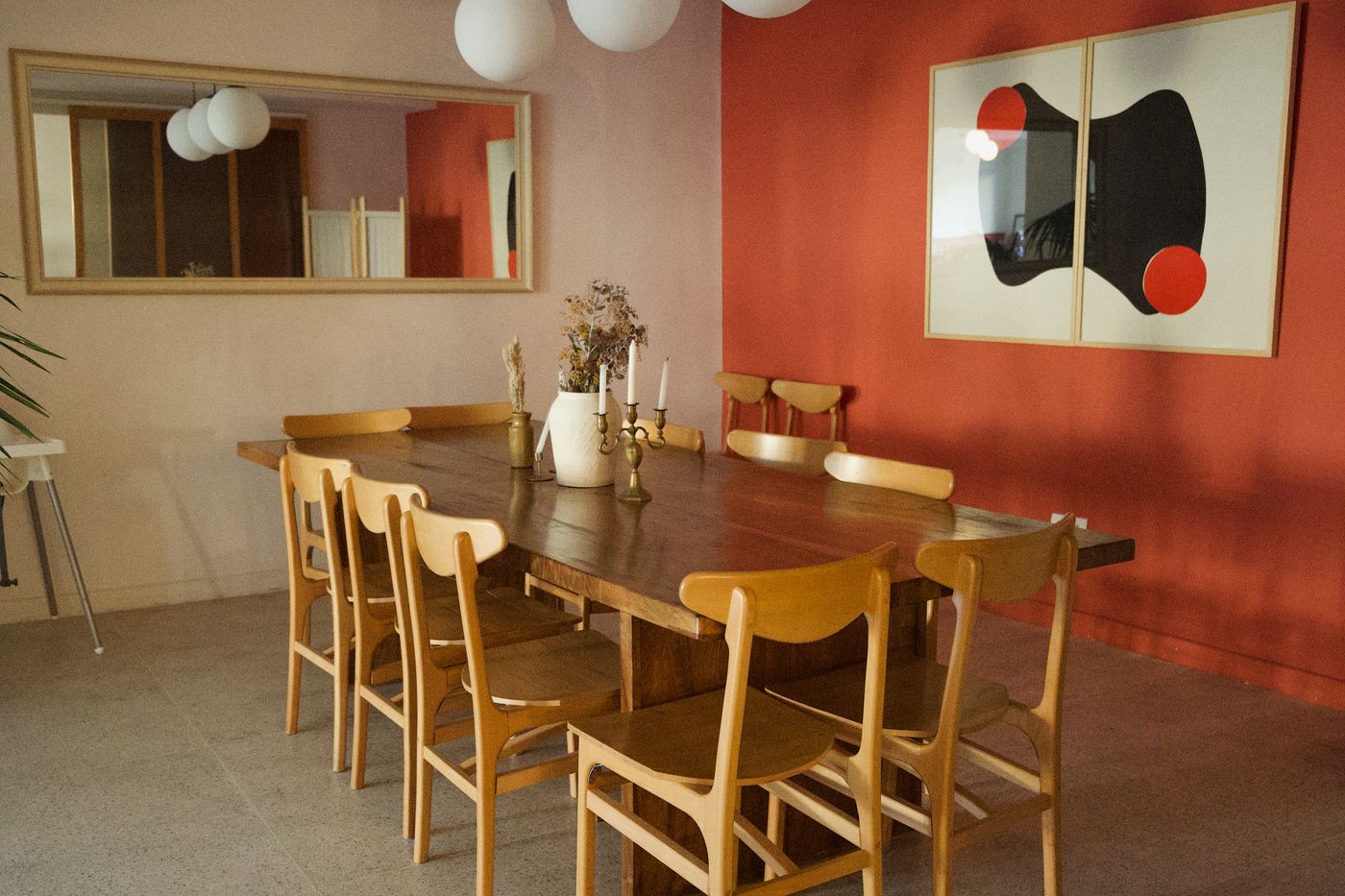
A narrow dining room needs a clear passage, comfortable chairs, and a table chosen for the whole room rather than its top alone.
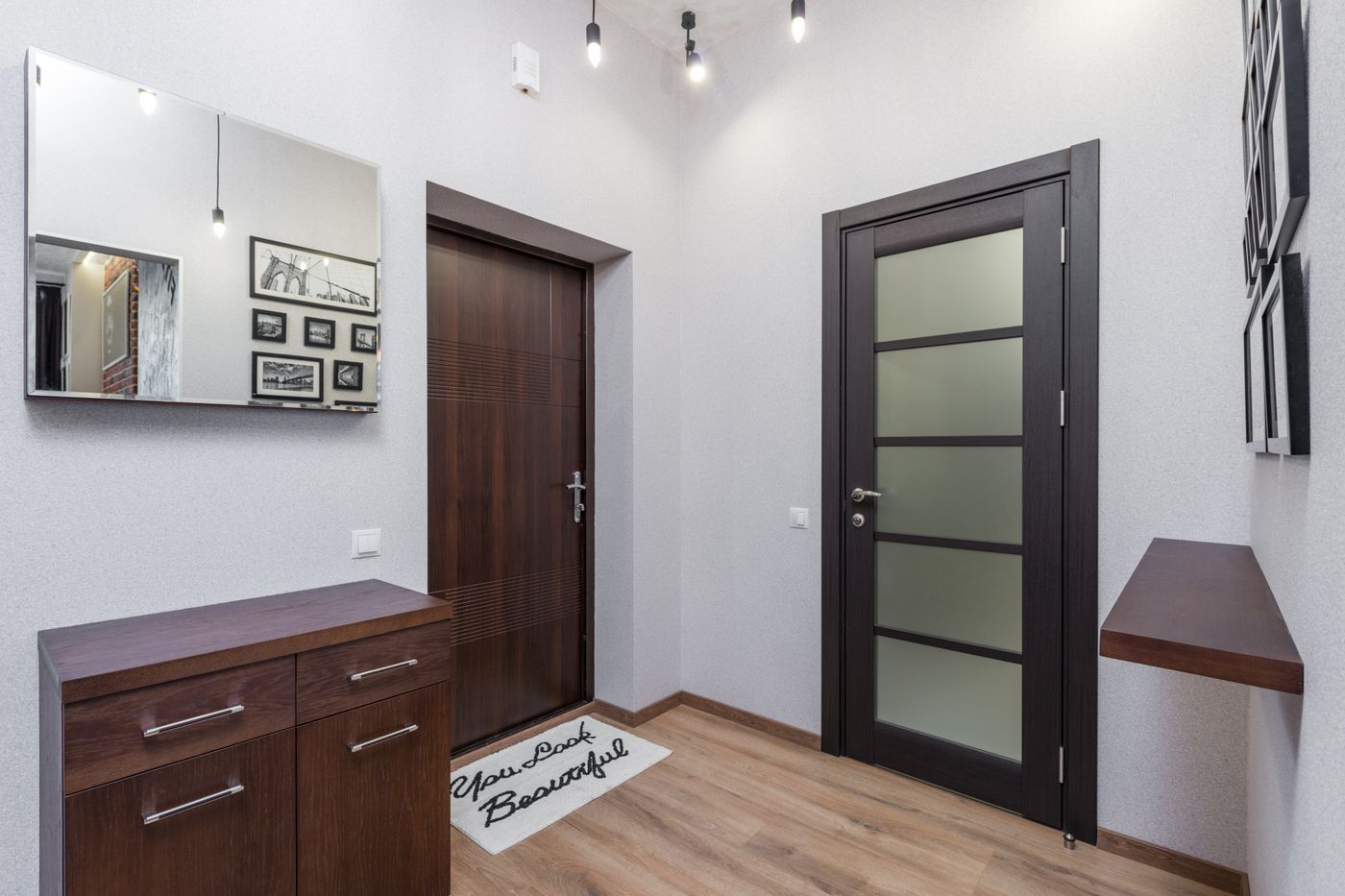
When the front door opens straight into a room, create a useful landing place without building a barrier.
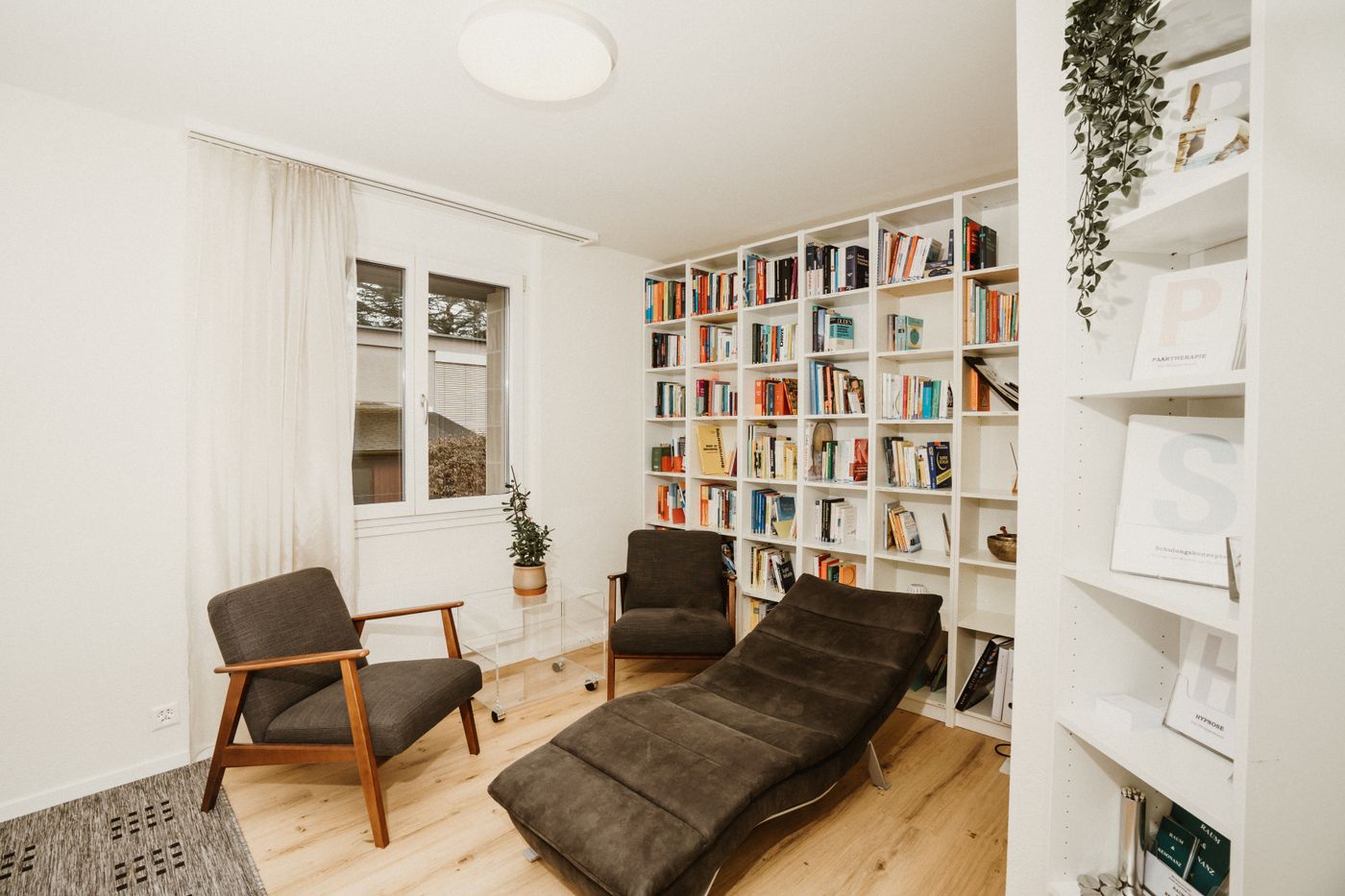
A reading corner succeeds when the seat, light, and small practical details make it easy to stay for another chapter.
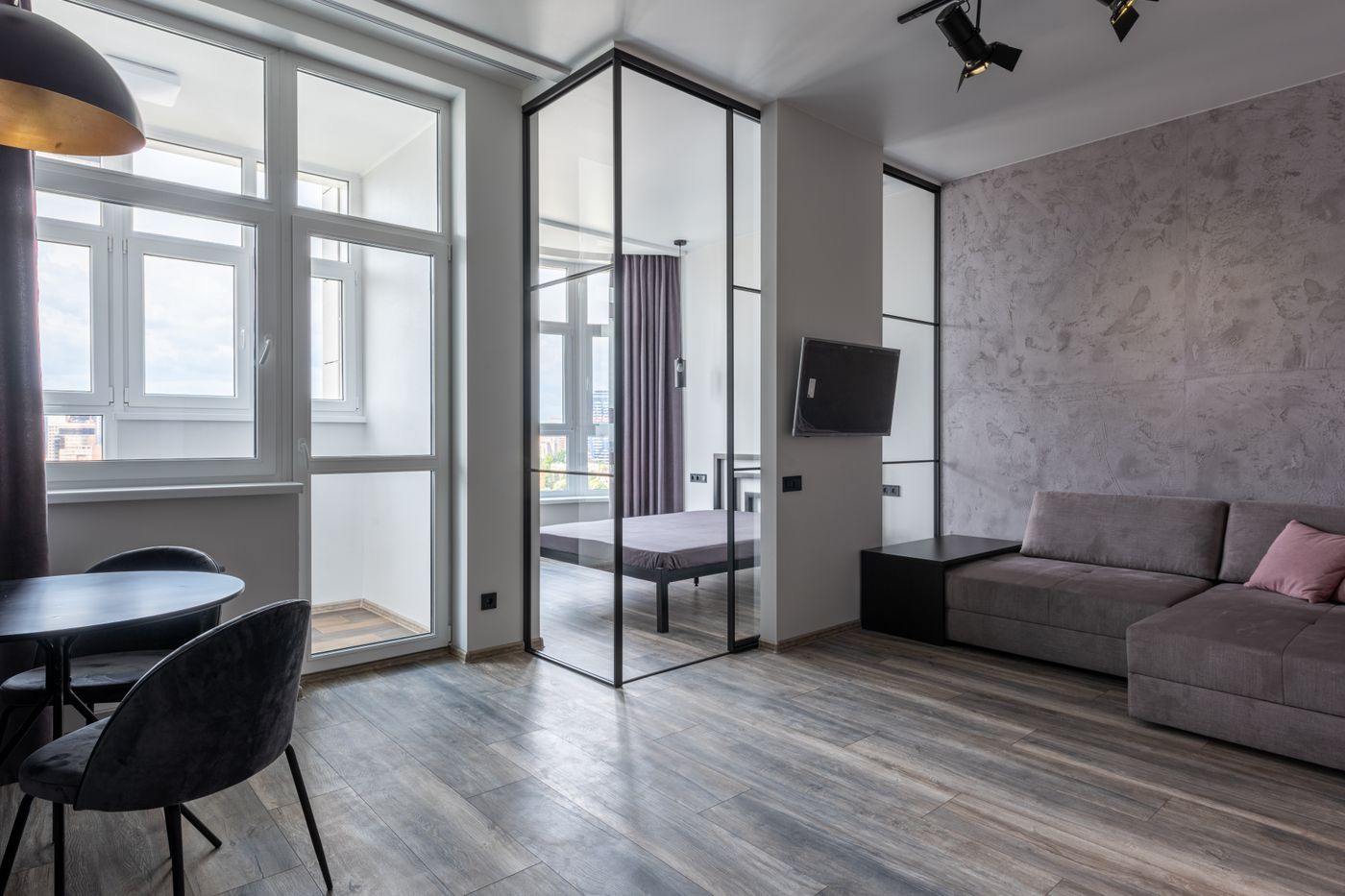
Make a shared living, dining, and kitchen space feel coherent by organizing movement, furniture, and visual boundaries.
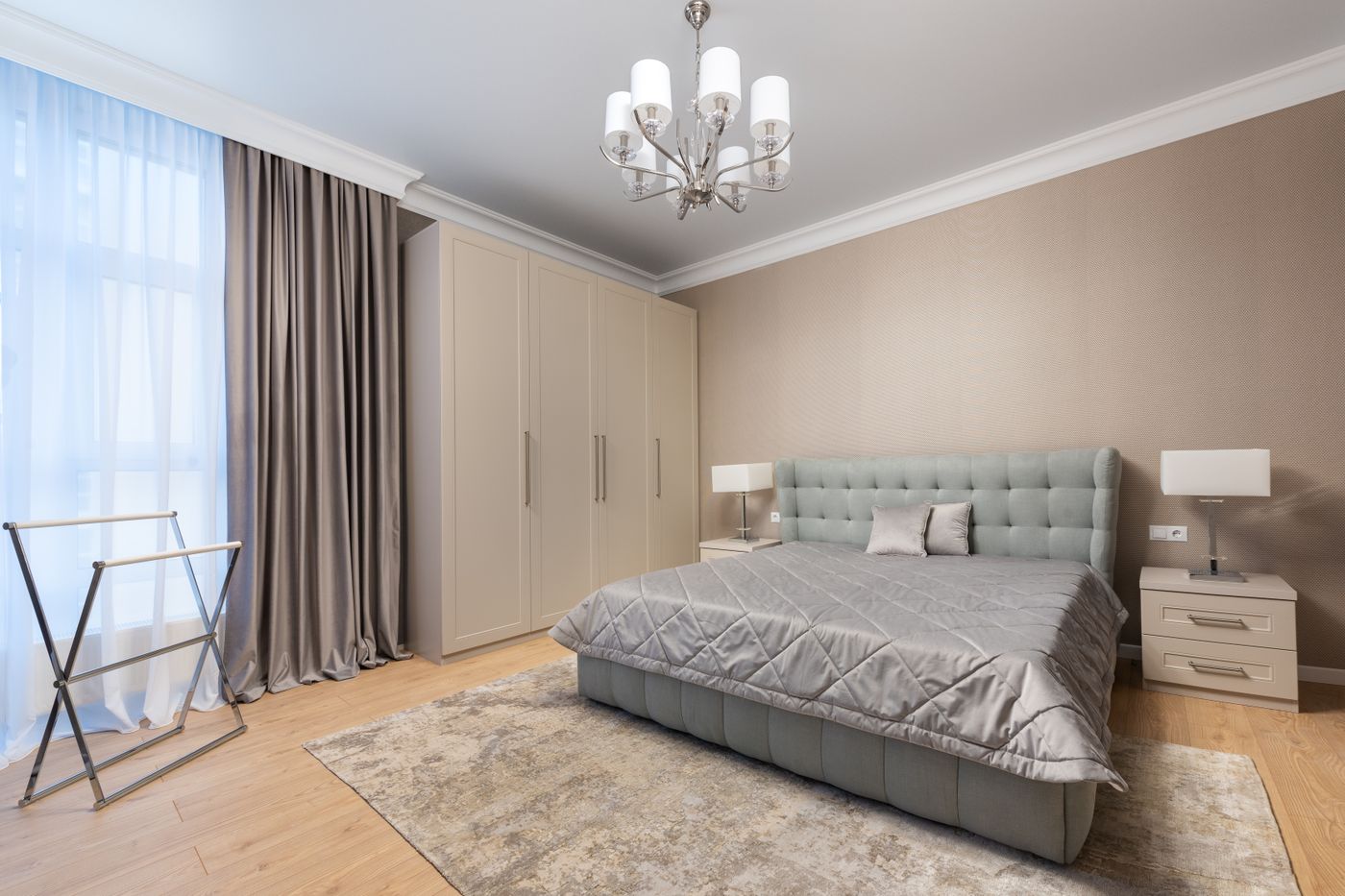
Create a spare room that welcomes visitors while serving a real purpose between their stays.
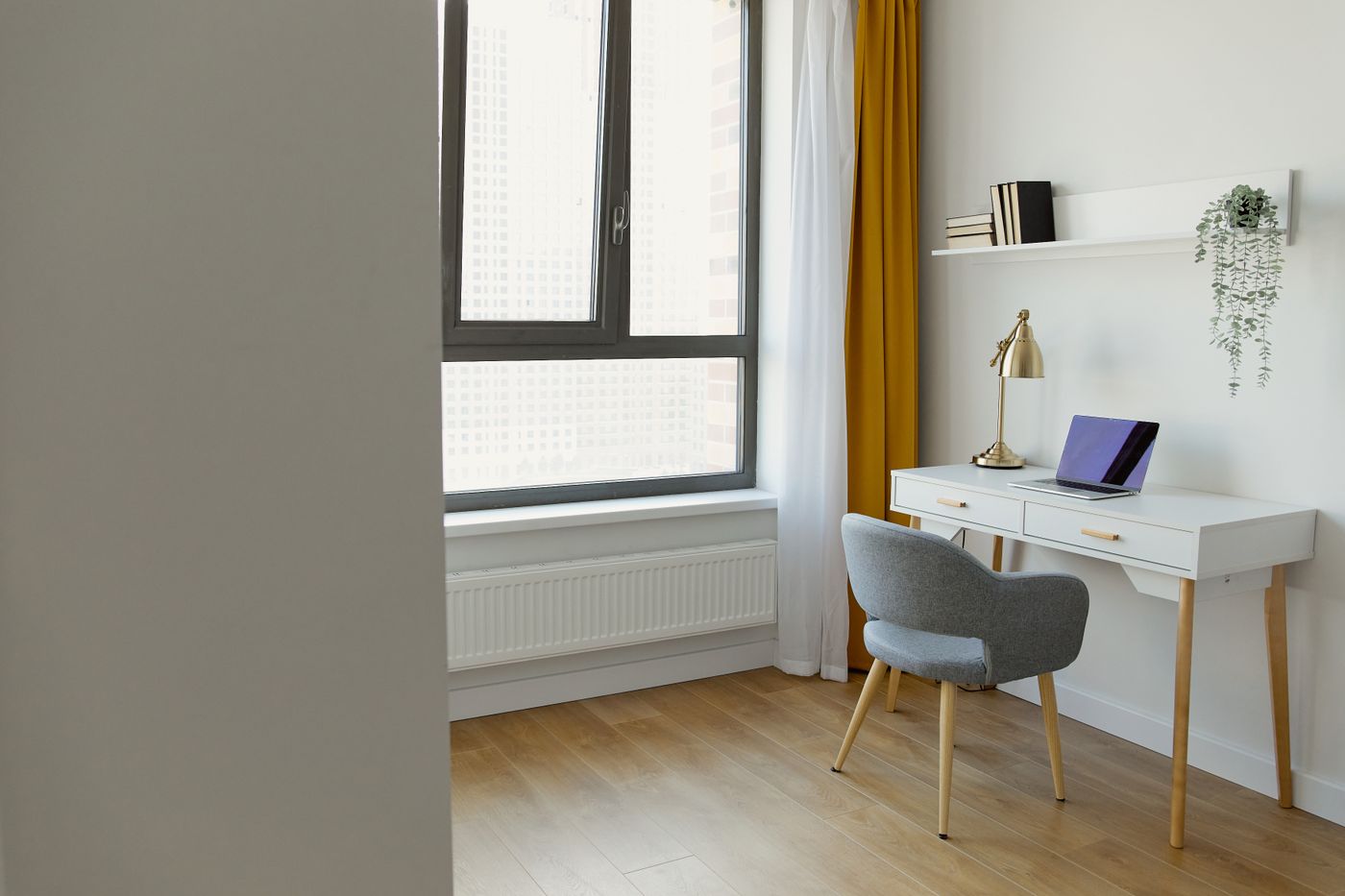
Make a comfortable place to work without letting equipment and paperwork take over the room.
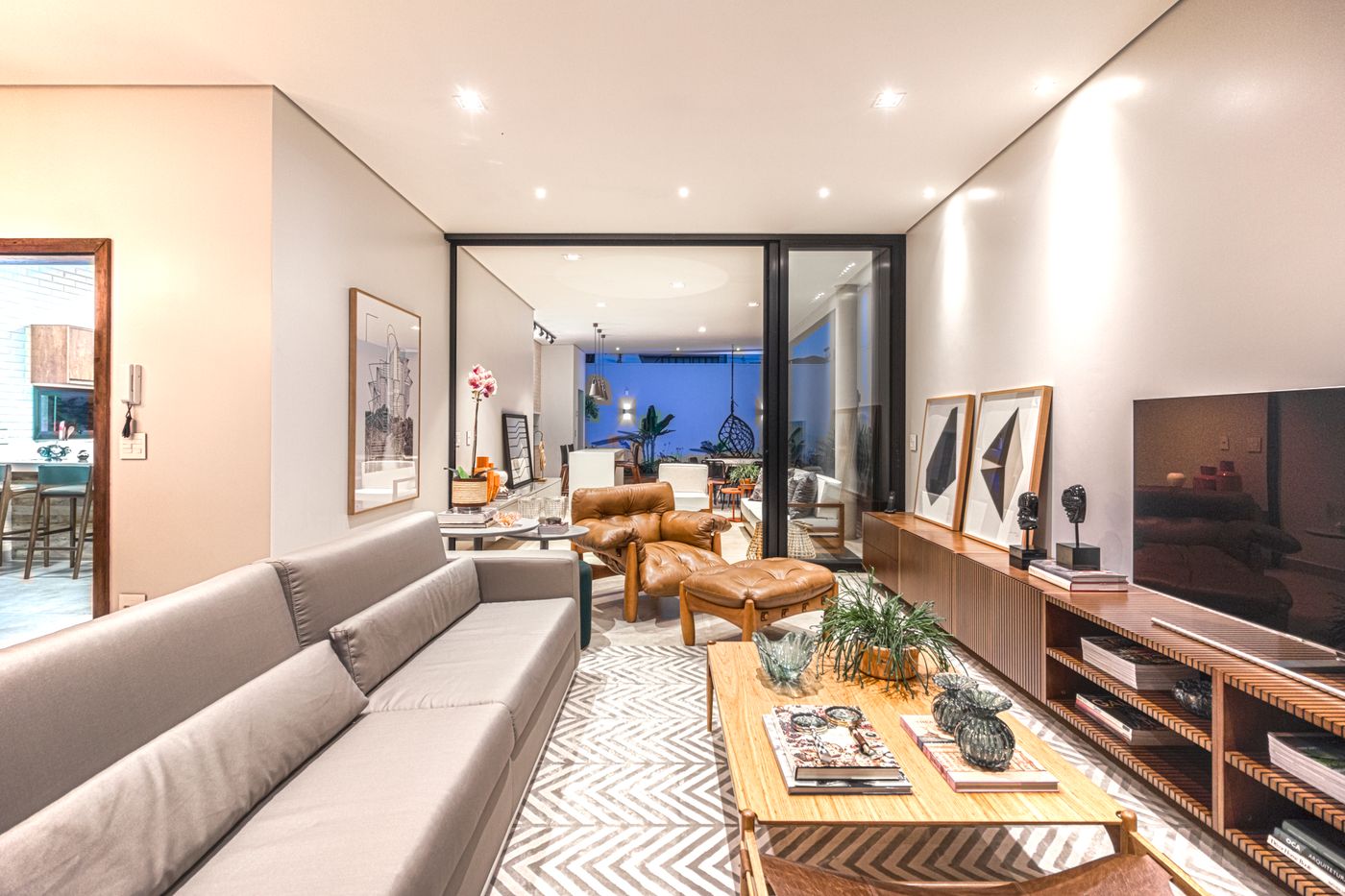
Turn competing doors, corners, and architectural features into a workable furniture plan rather than forcing perfect symmetry.
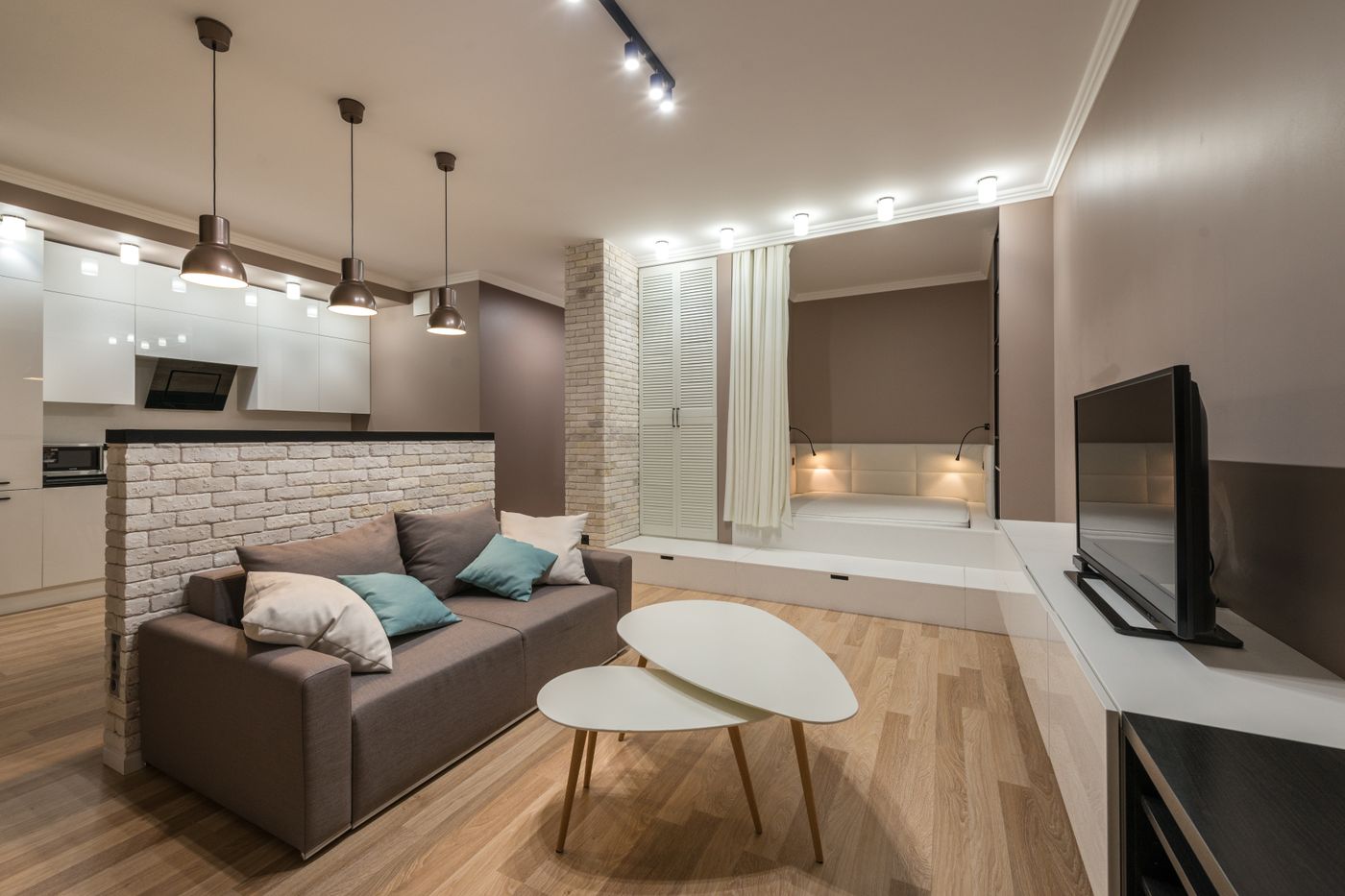
Organize sleeping, living, and storage within one room while keeping daily transitions simple.
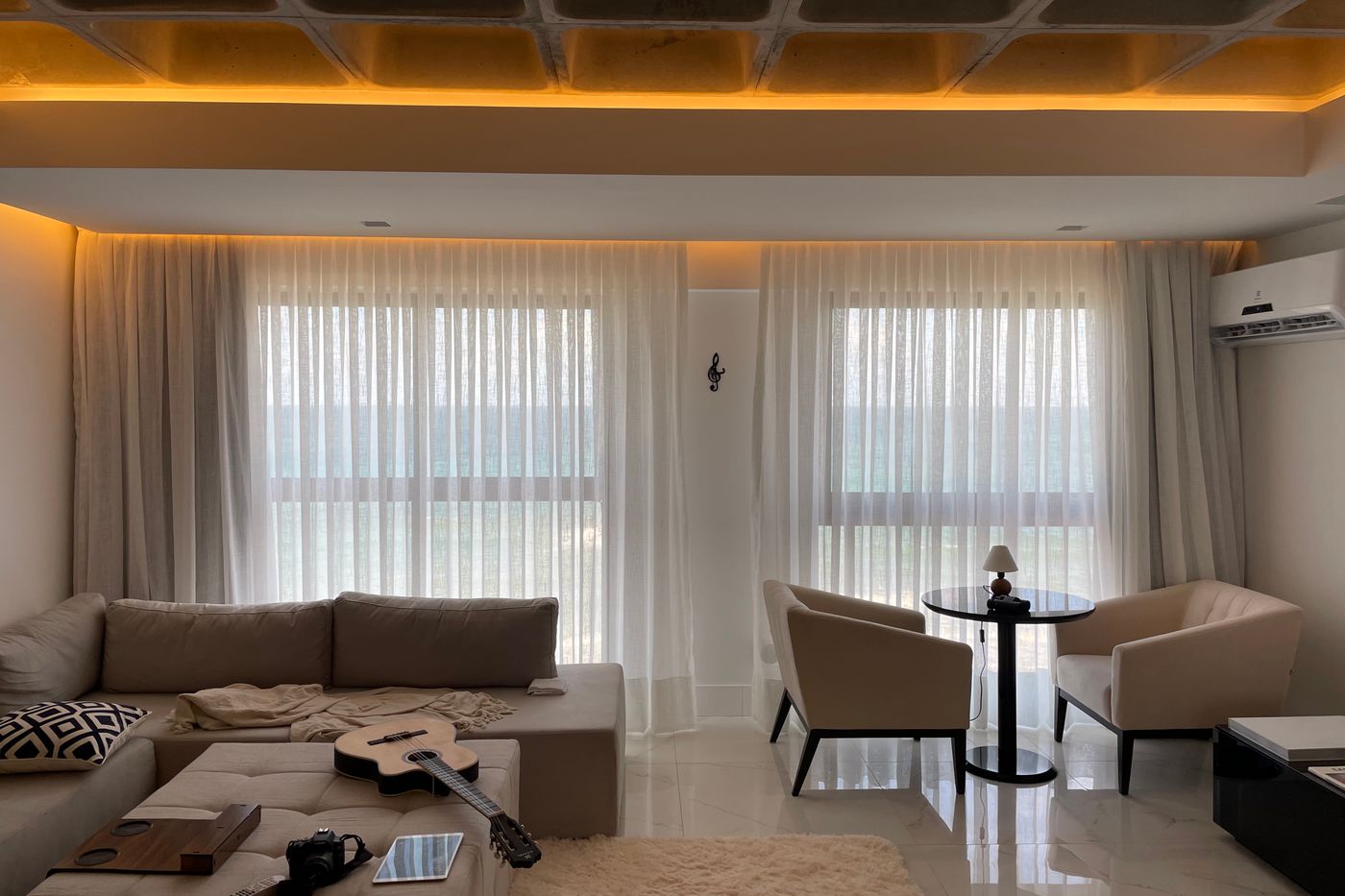
Understand the dimensions that make a sofa comfortable in your room, from usable seat width to arms, depth, and visual weight.

A dining chair needs to work with the table, the person, and the length of the meal. Look beyond cushioning to the complete sitting experience.
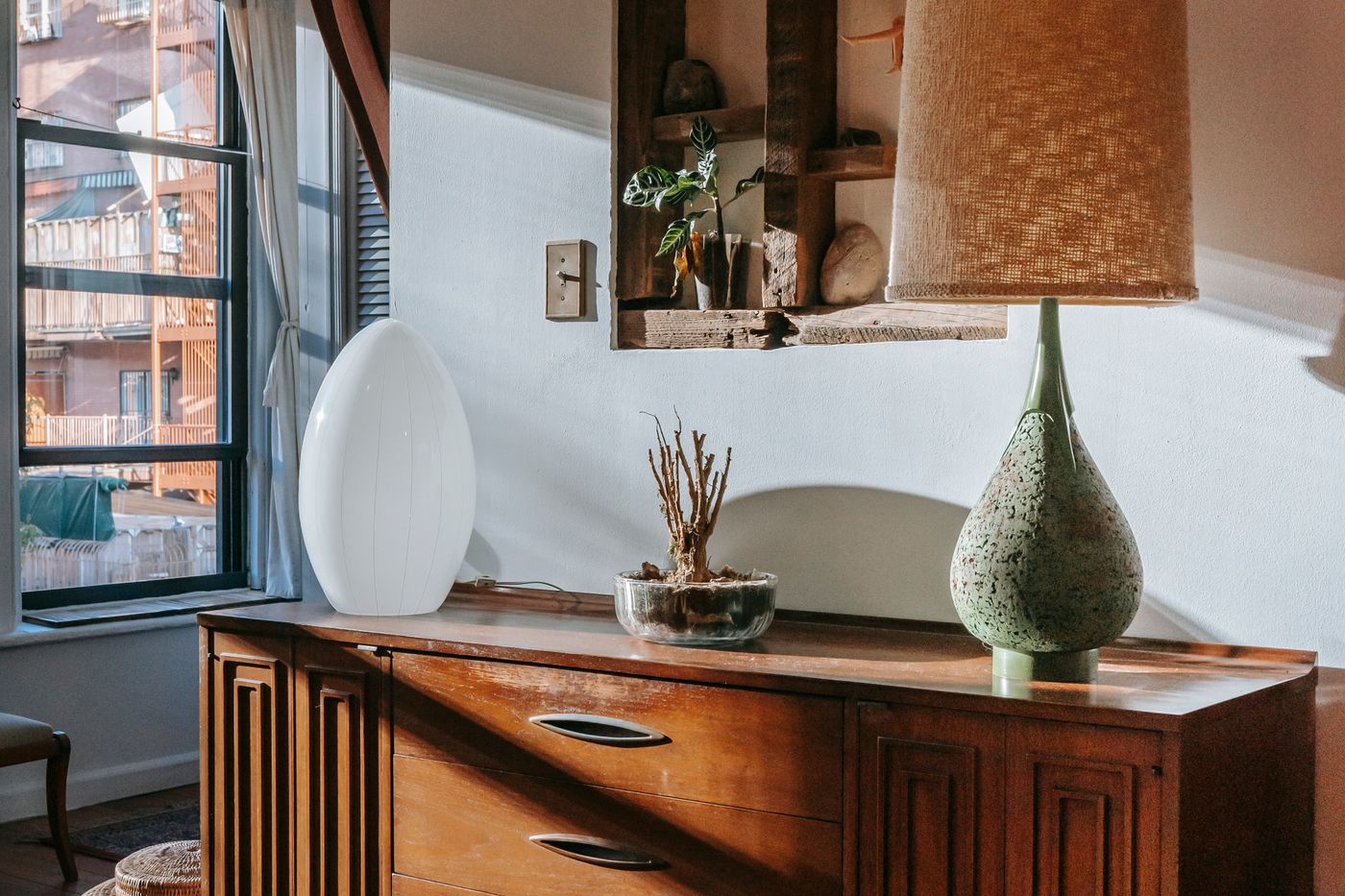
Learn to distinguish character from a difficult repair when considering a secondhand timber cabinet, table, or chest.
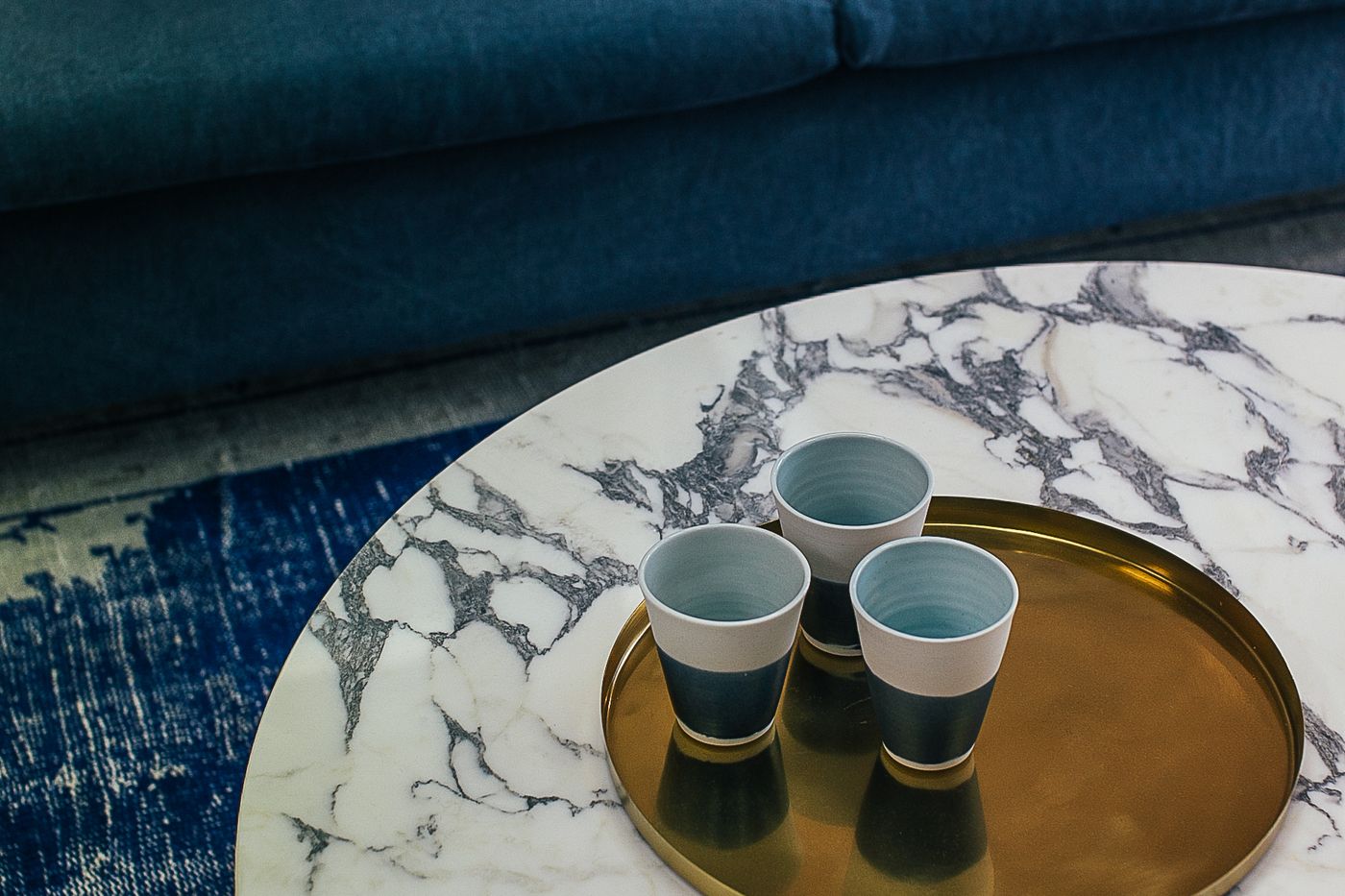
Choose a coffee table by the seating around it and the movement past it, then consider its visual character.
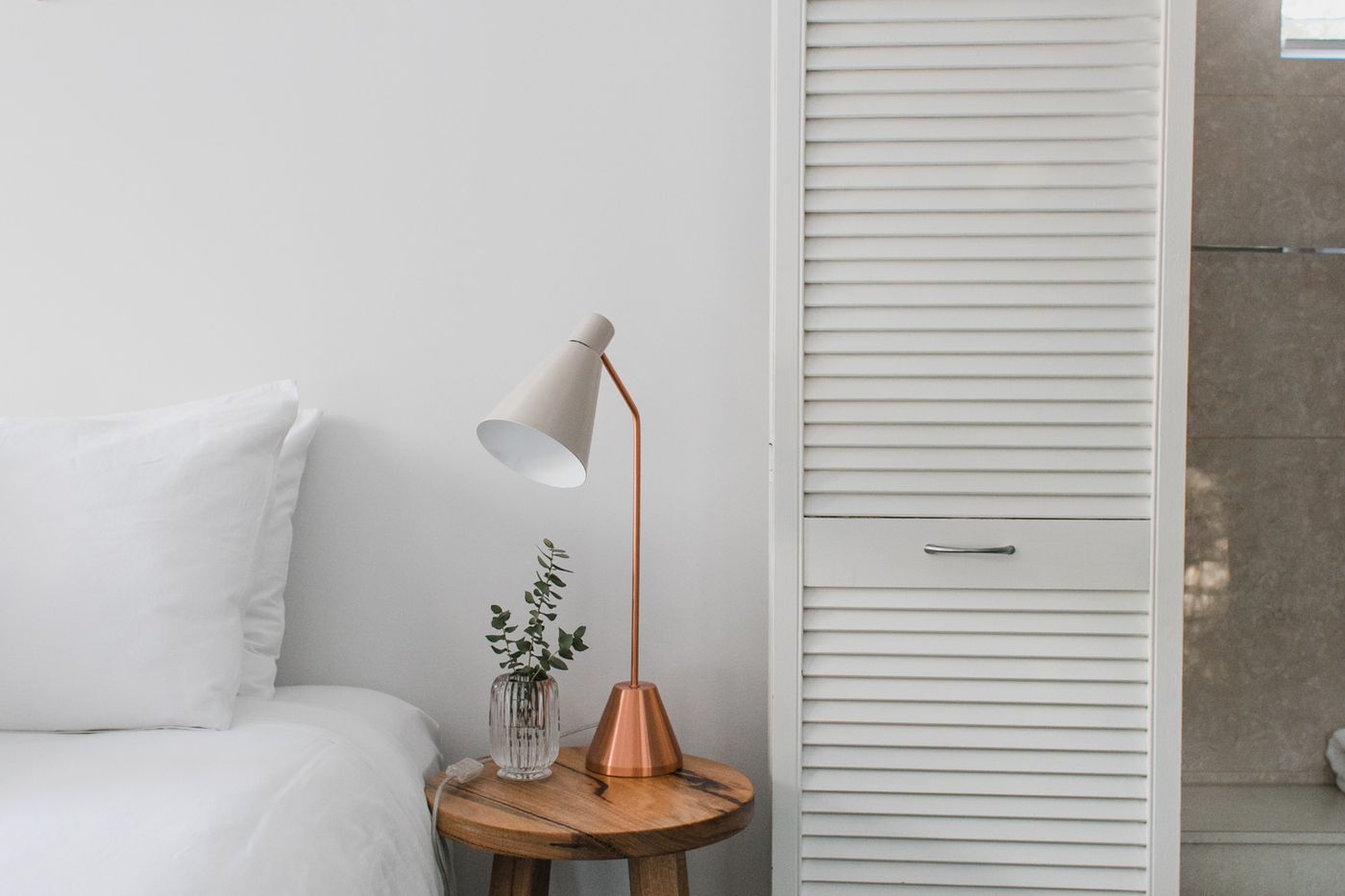
Choose a bedside surface for the things you reach for, the bed you own, and the space available on each side.
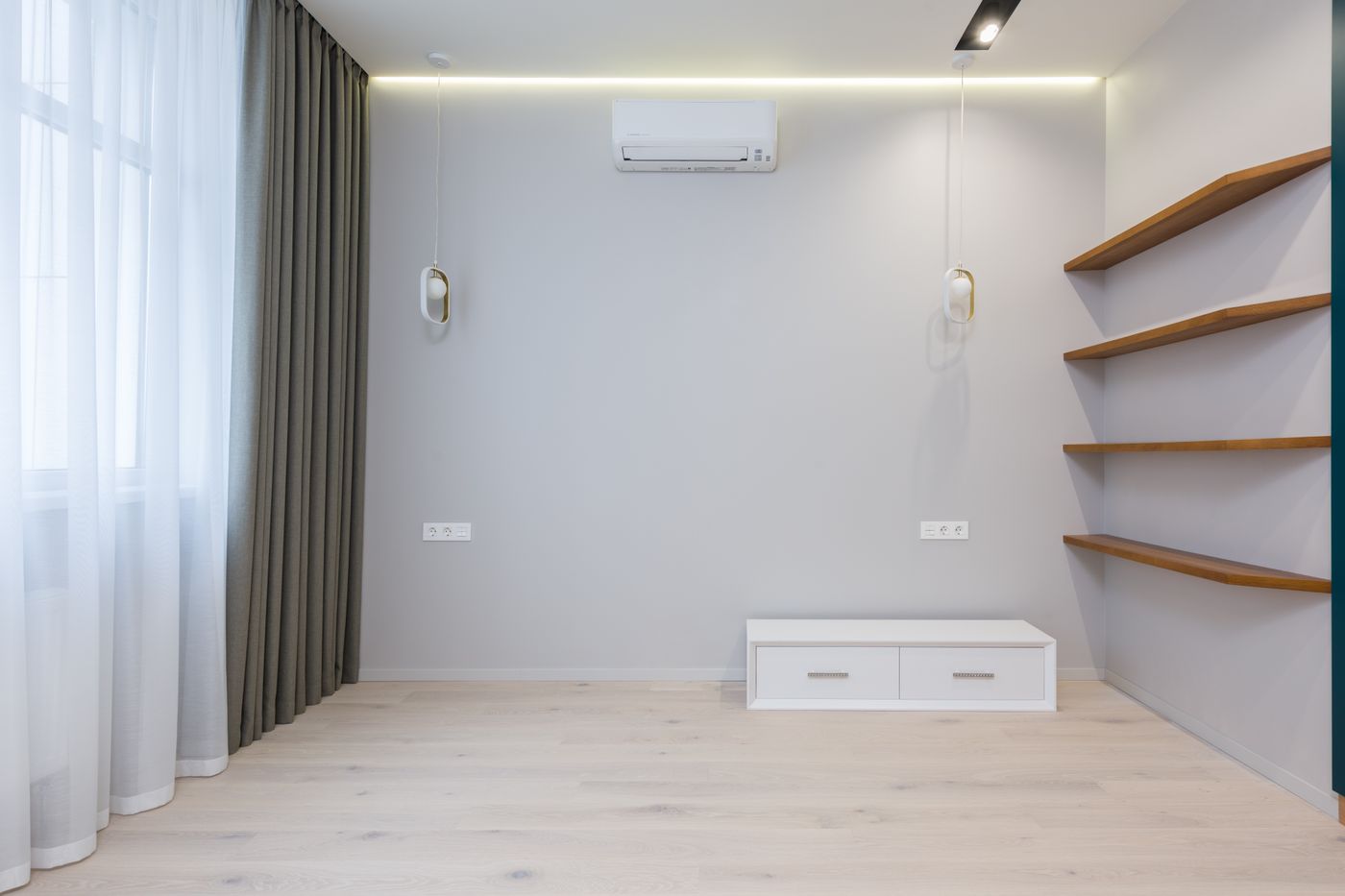
A modular system can look composed rather than provisional when its proportions, contents, and empty spaces are planned together.
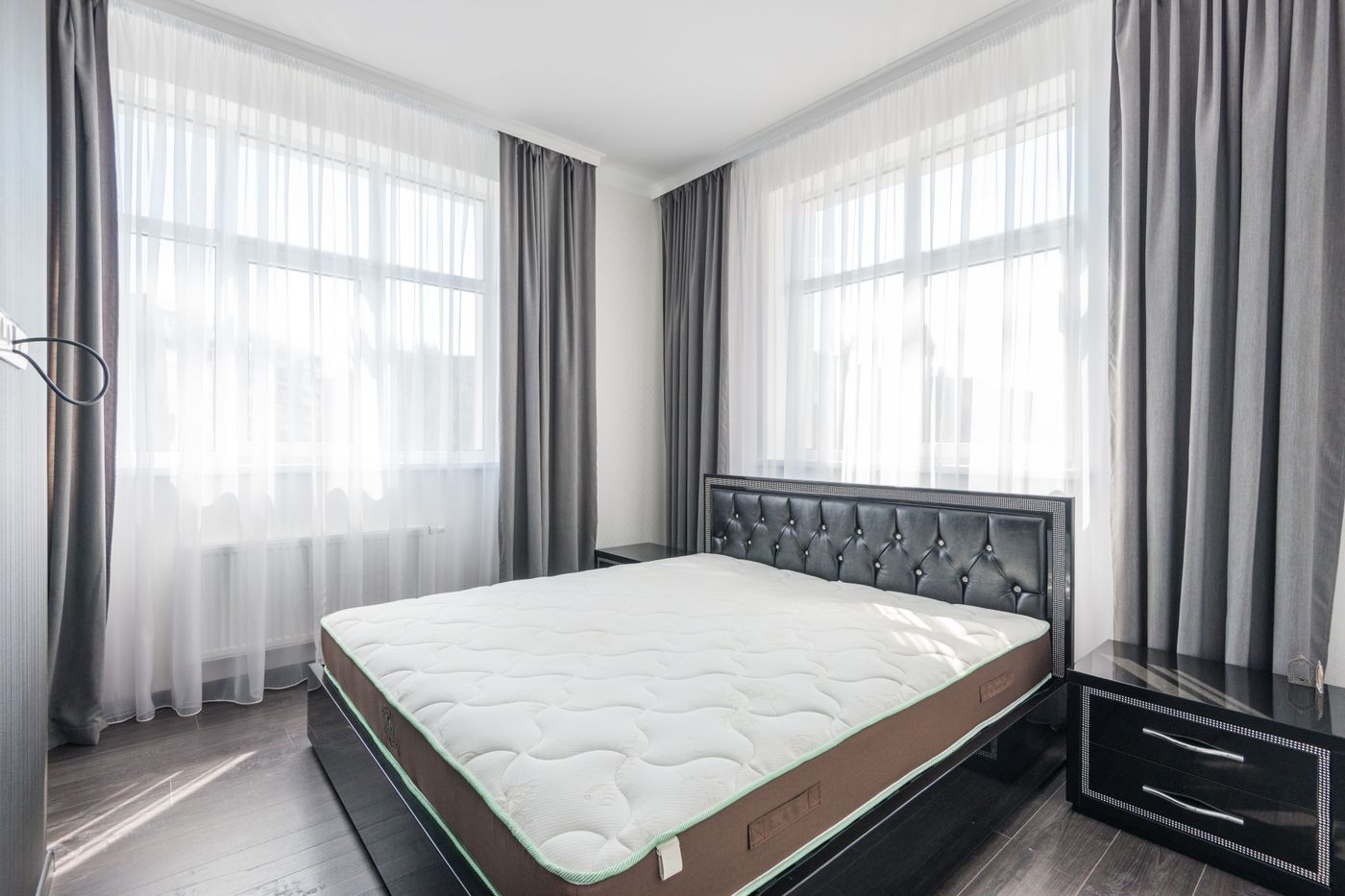
An upholstered headboard can soften the bedroom, but its comfort depends on dimensions, construction, fabric, and how you use the bed.
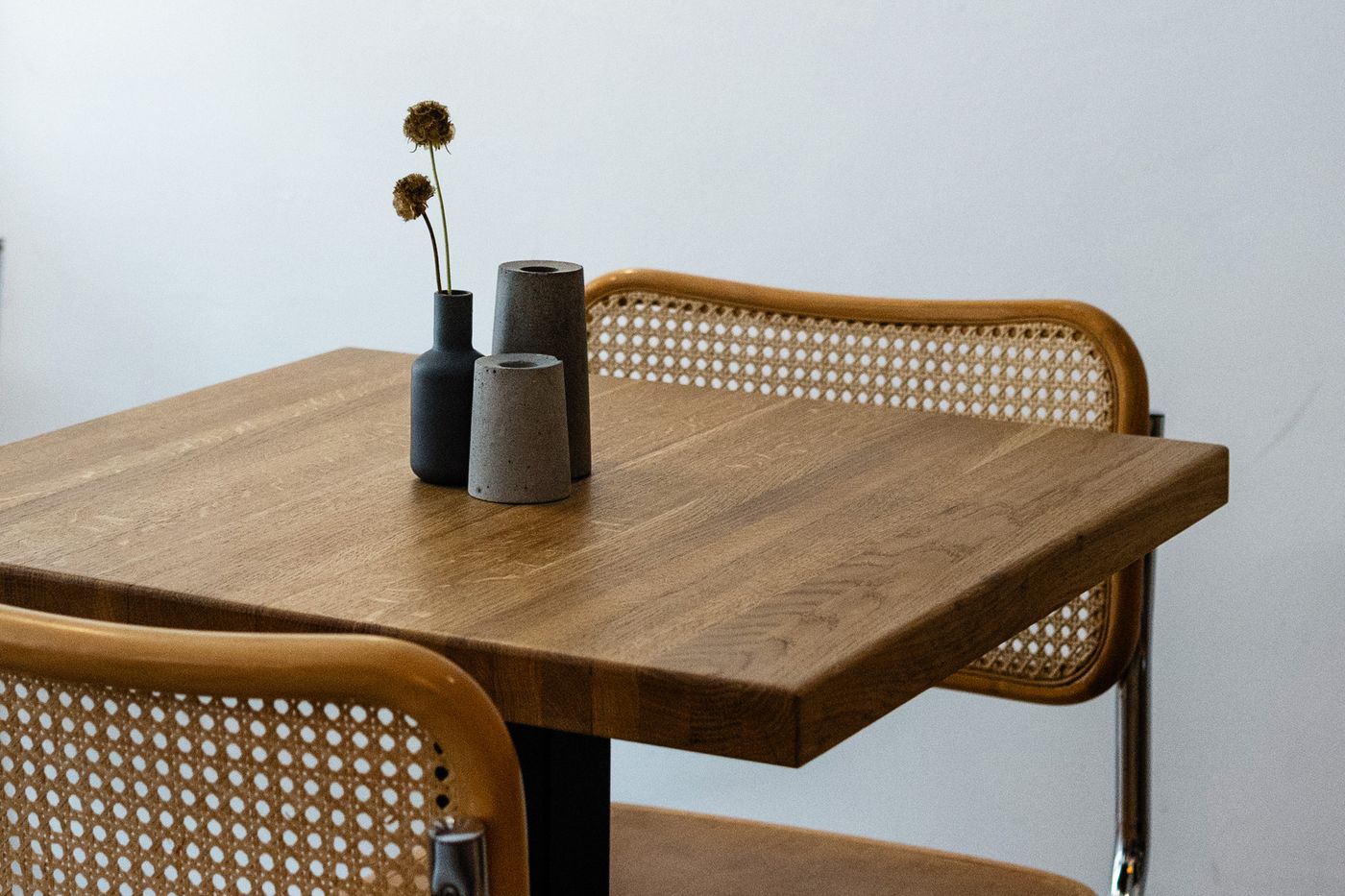
A compact table can feel generous when the base, chairs, and surrounding movement are considered as one arrangement.
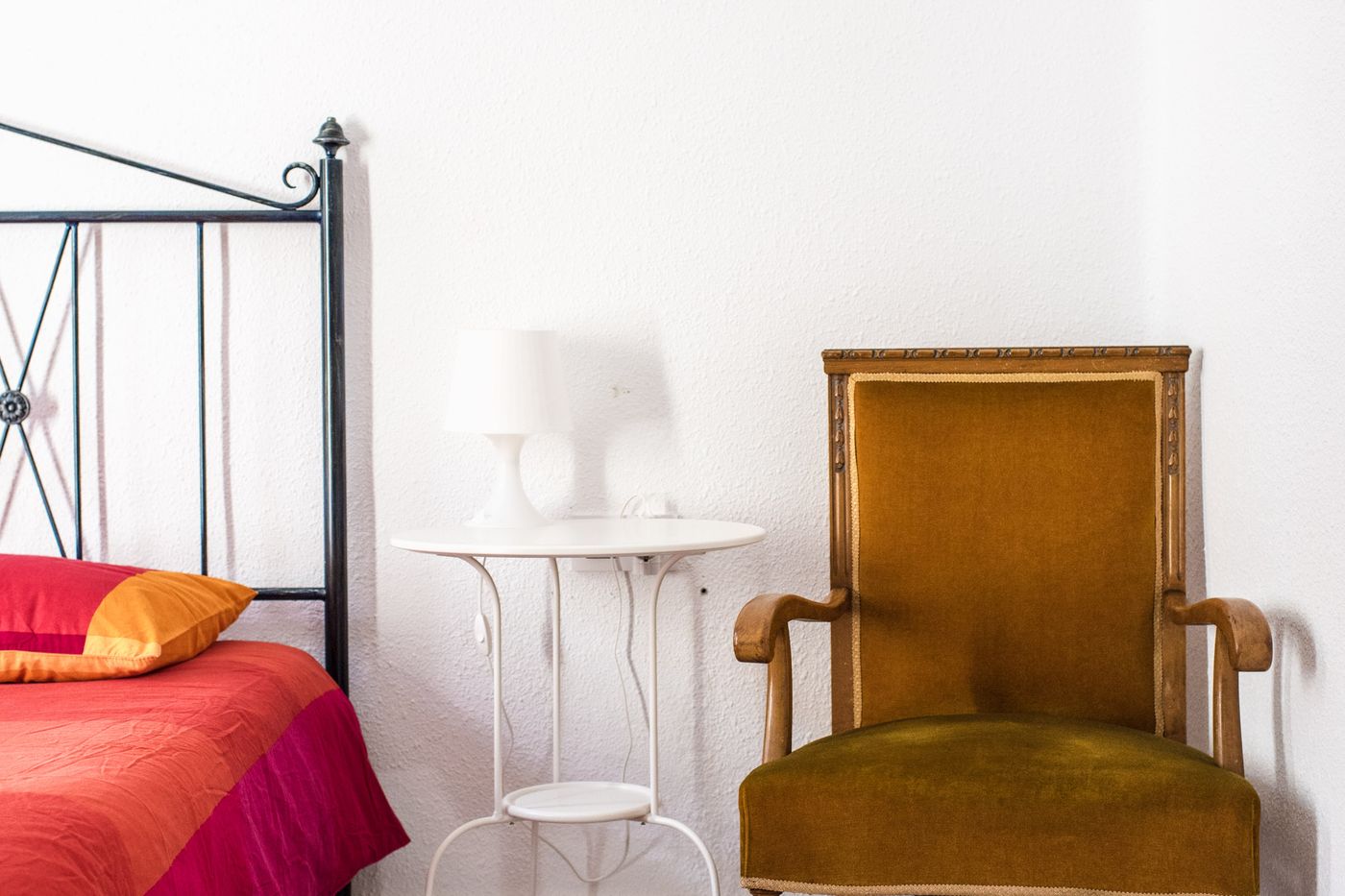
The most useful accent chair earns its place as a seat before it becomes a statement.
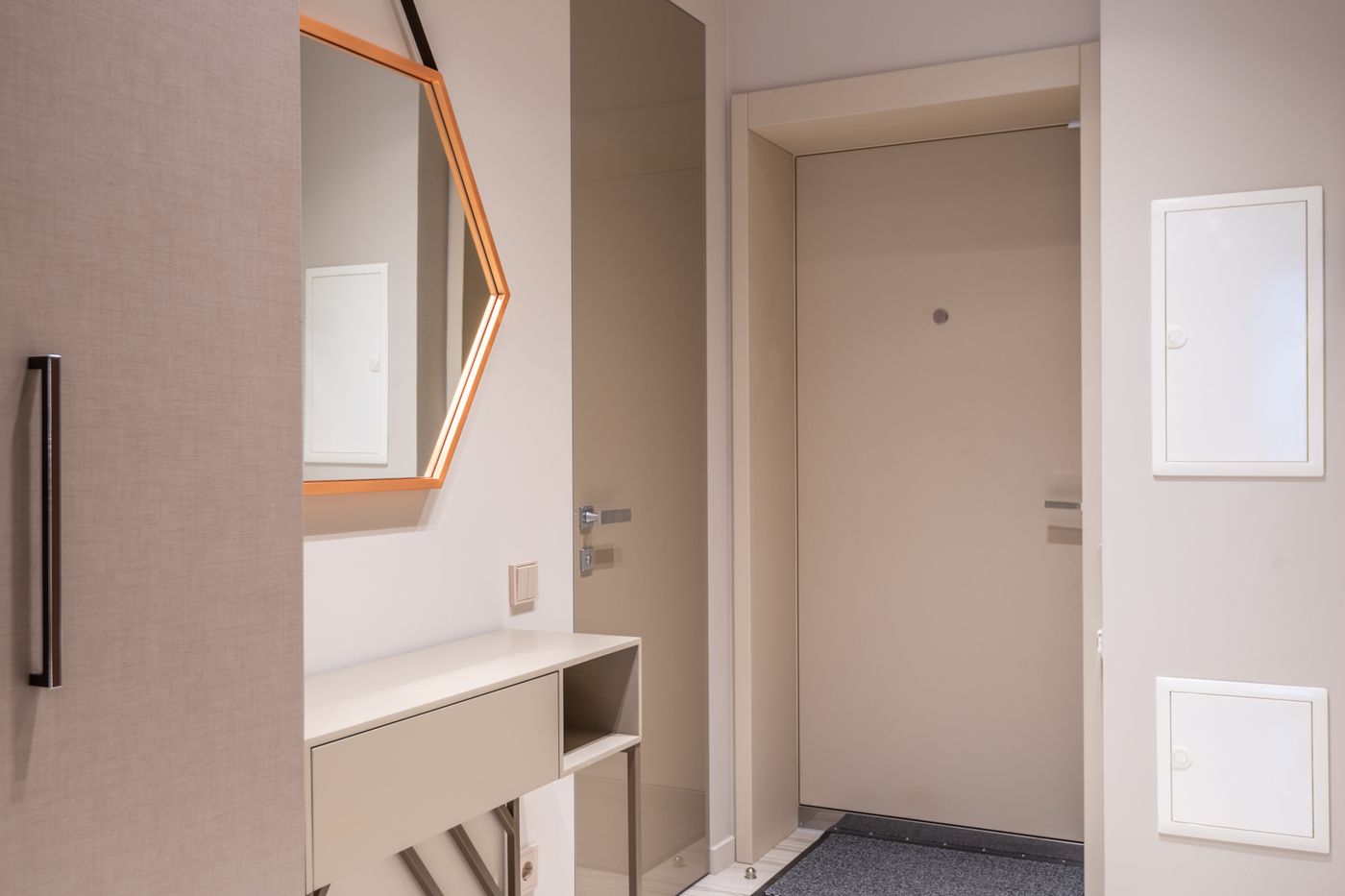
A sofa can fit the floor plan and still fail at the staircase. Check the complete route before placing the order.
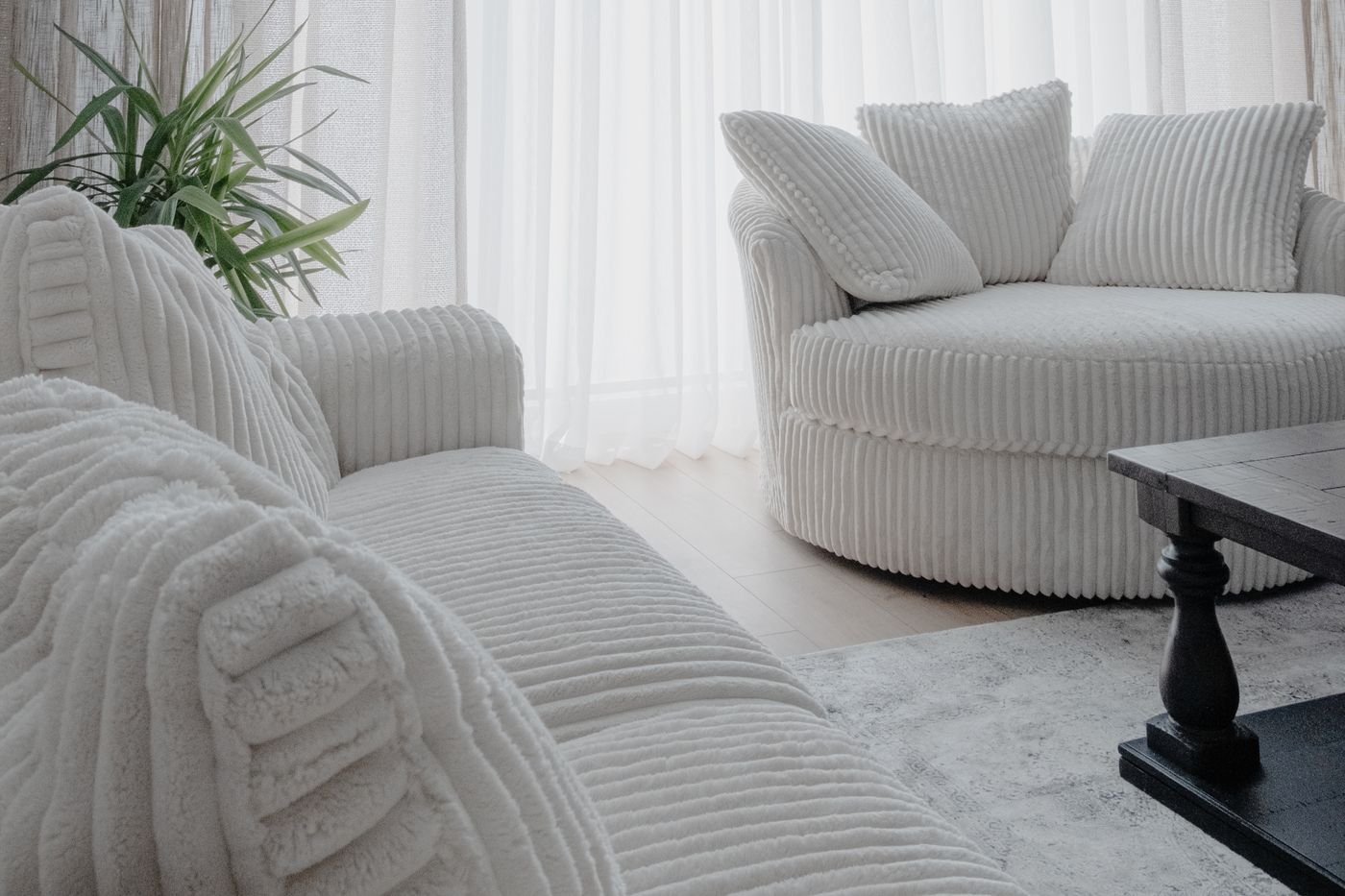
The right white belongs to its light and surroundings. Test warmth against your fixed finishes before committing to a name on a paint card.
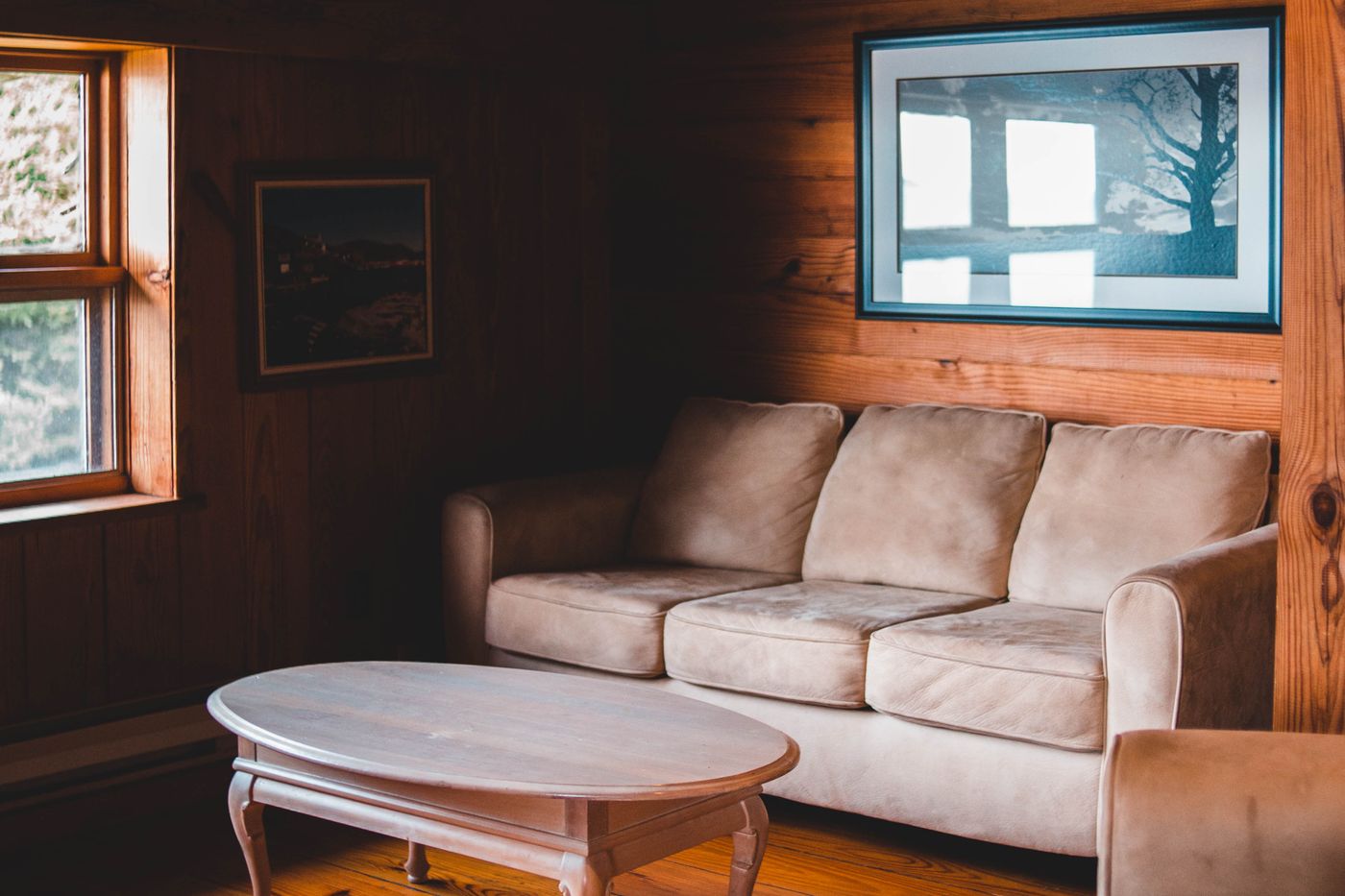
Mixed timber can give a room depth and a sense of time. Build relationships through tone, grain and proportion instead of trying to make every piece match.
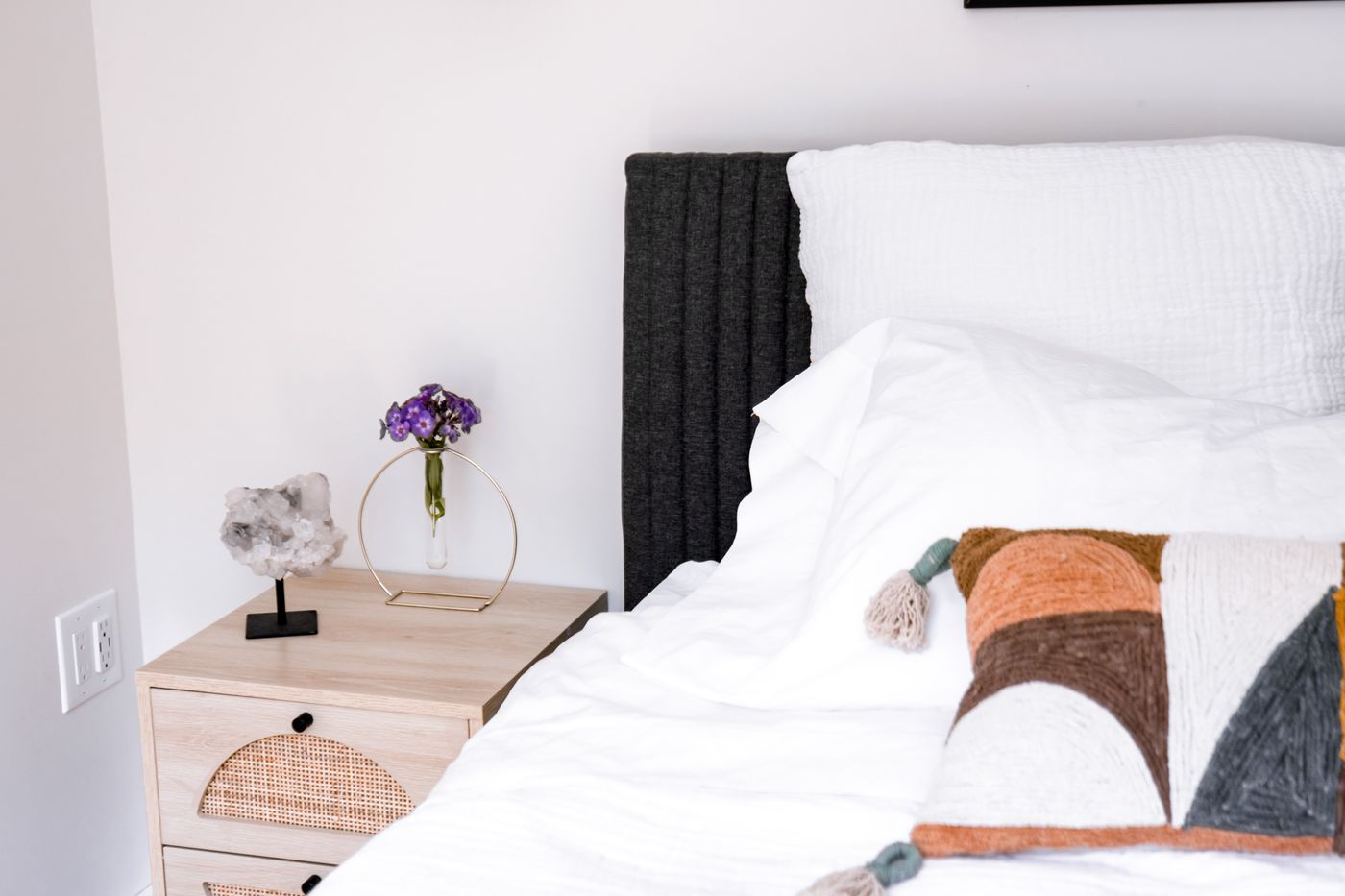
Linen brings an appealing irregularity to a room, but its usefulness depends on weave, weight and care. Choose the particular fabric rather than the idea of a perfectly relaxed home.
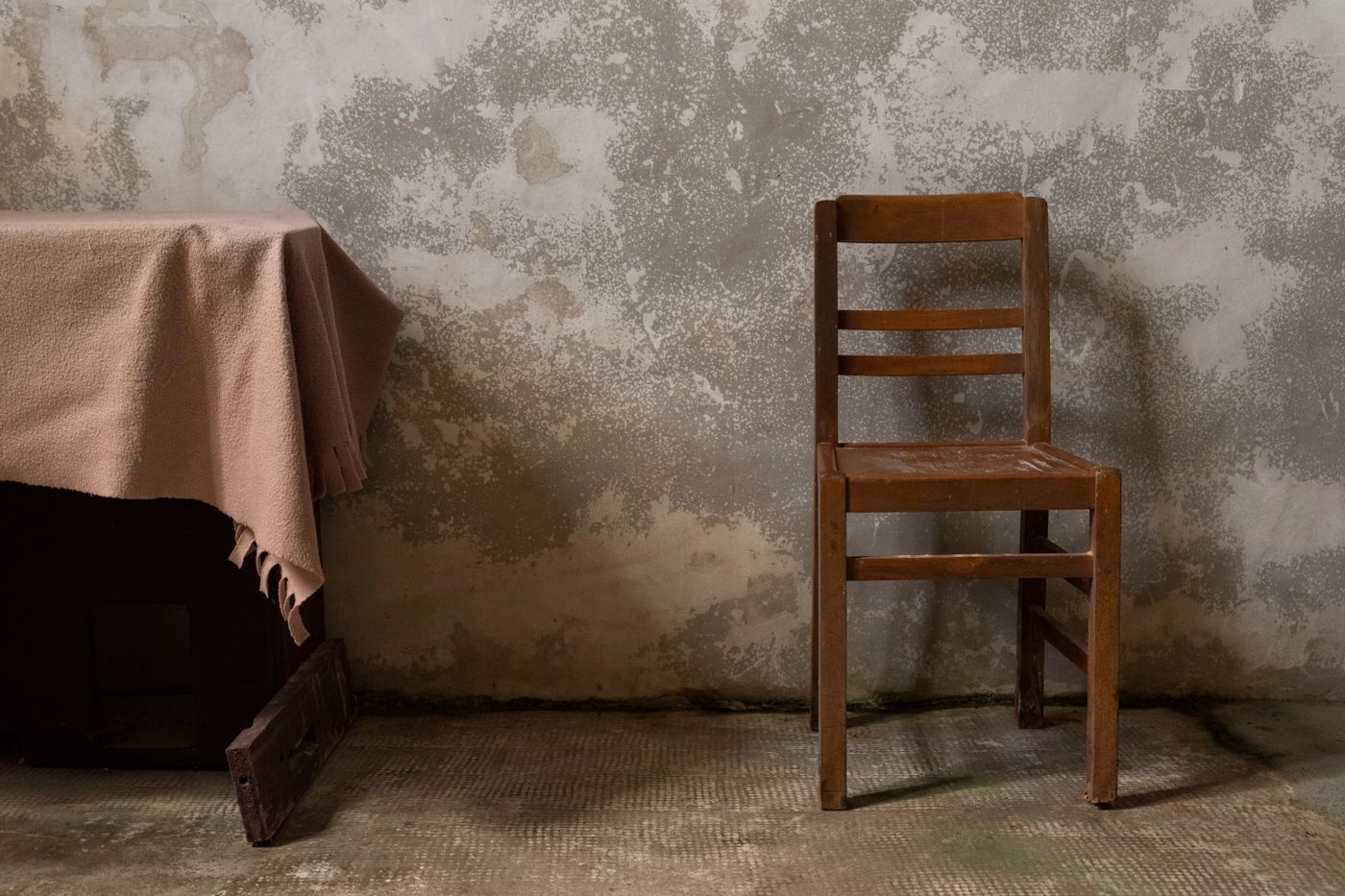
A softly varied wall can bring depth to a quiet room. Decide how much movement you want, then choose a compatible product and realistic care expectations.
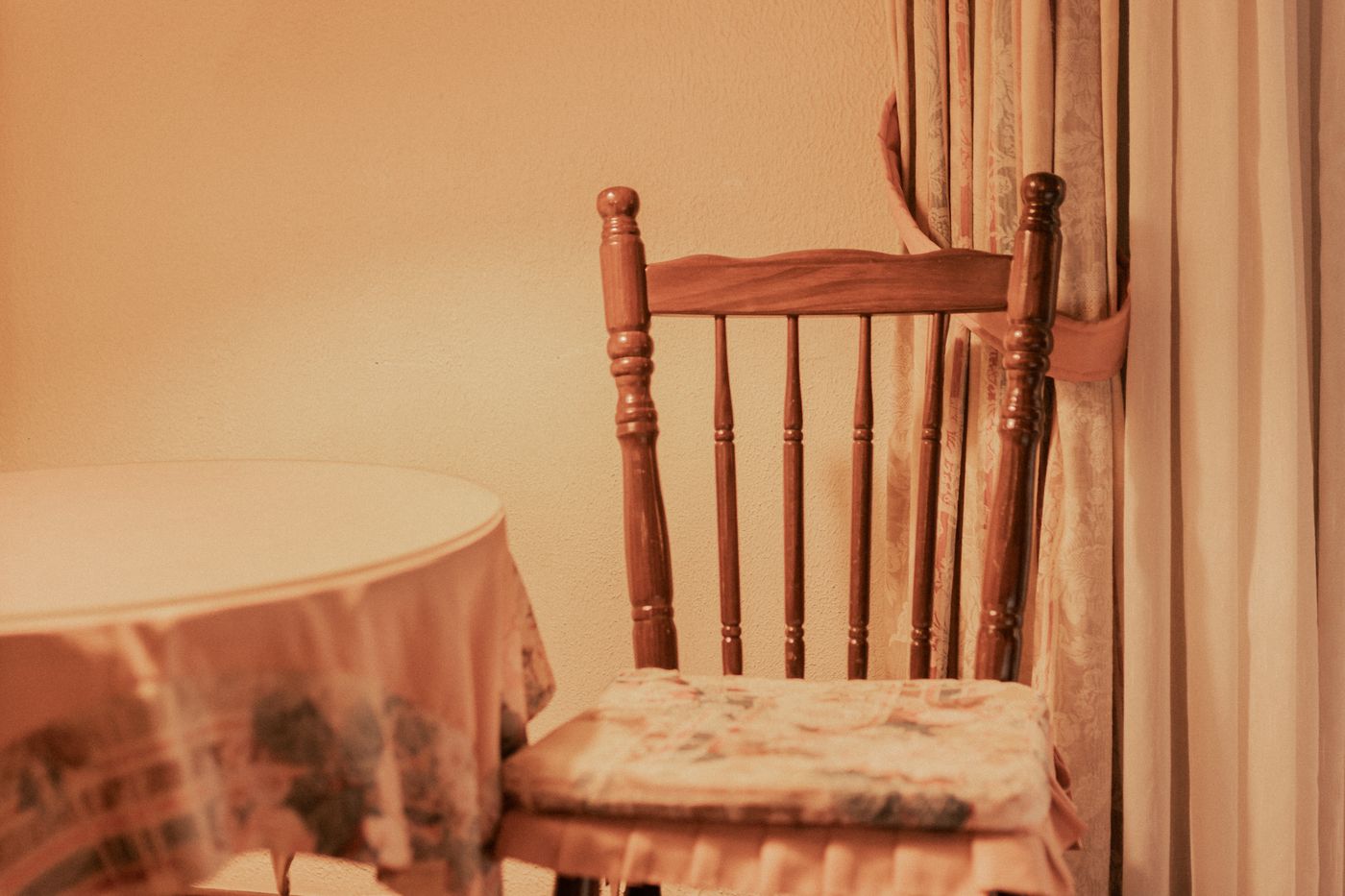
Clay, olive and tobacco can make a room feel grounded. Give them a clear range of light and dark so the palette remains rich rather than turning into one indistinct middle tone.
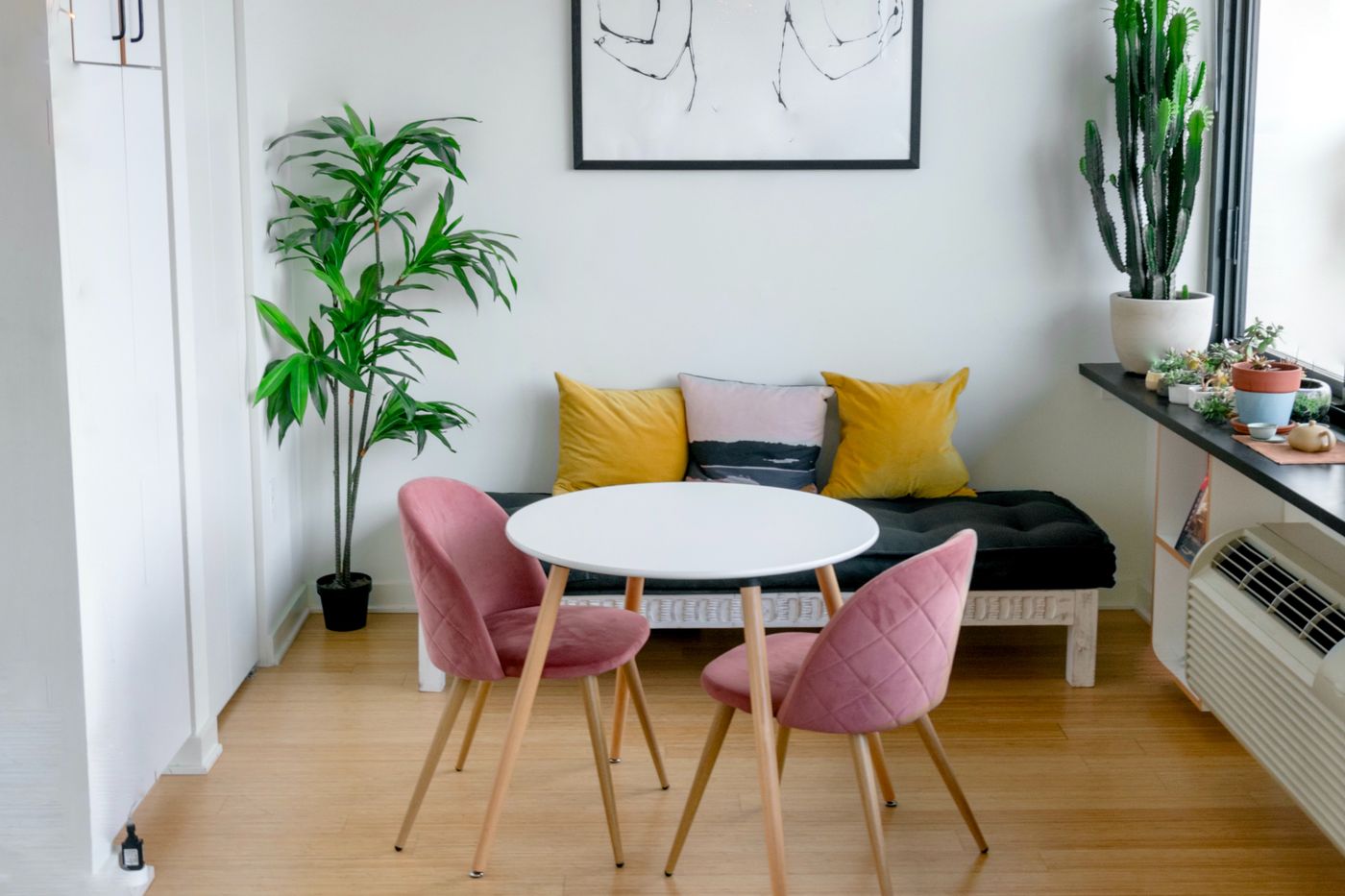
Wool, jute, cotton, or a washable blend? Start with the life happening above the rug.
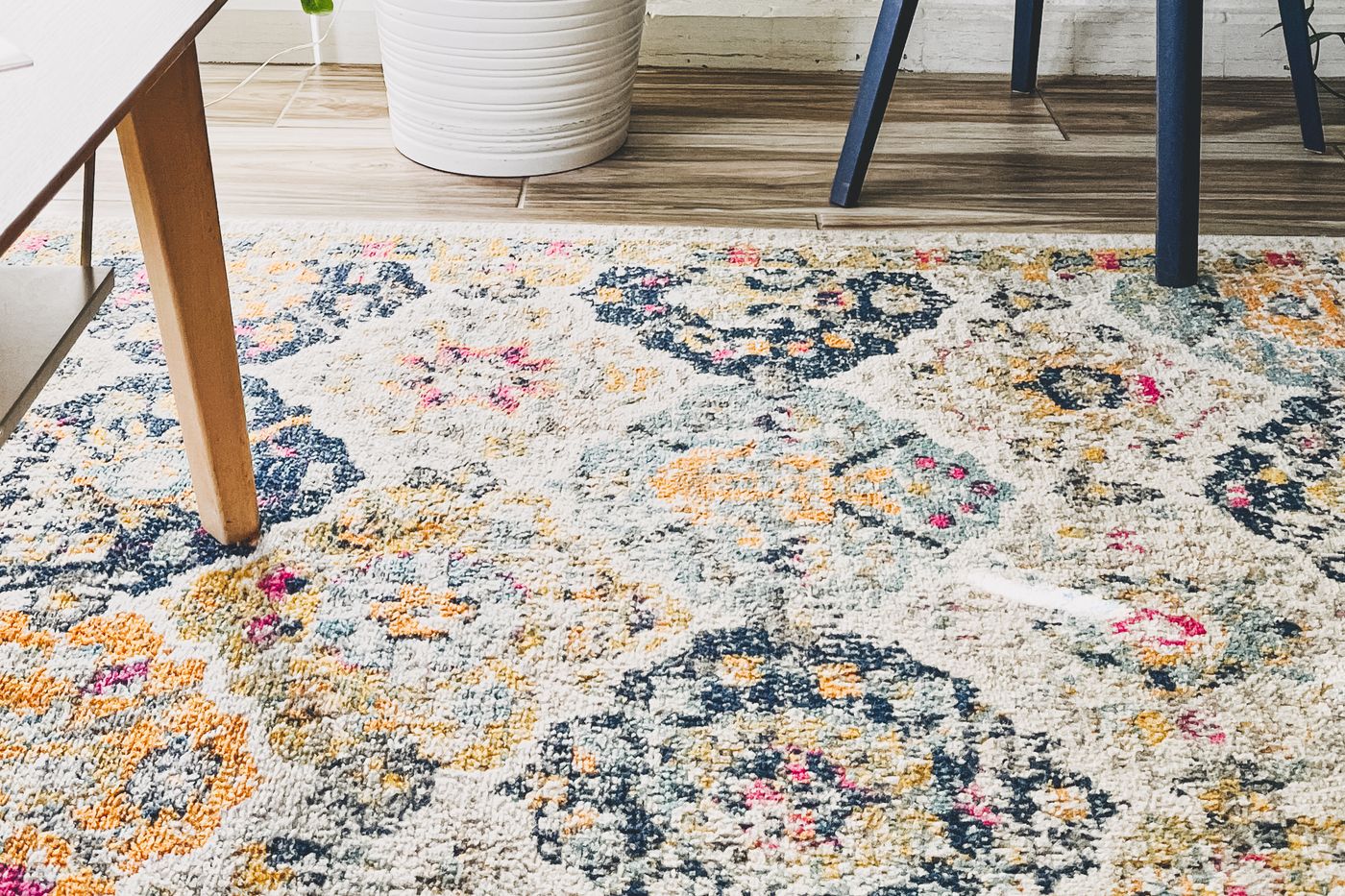
Pattern can add depth without taking over. The useful choices are scale, contrast, spacing, and where the eye gets to rest.

Choose curtains for the daylight, privacy, movement, and daily maintenance you want to live with.
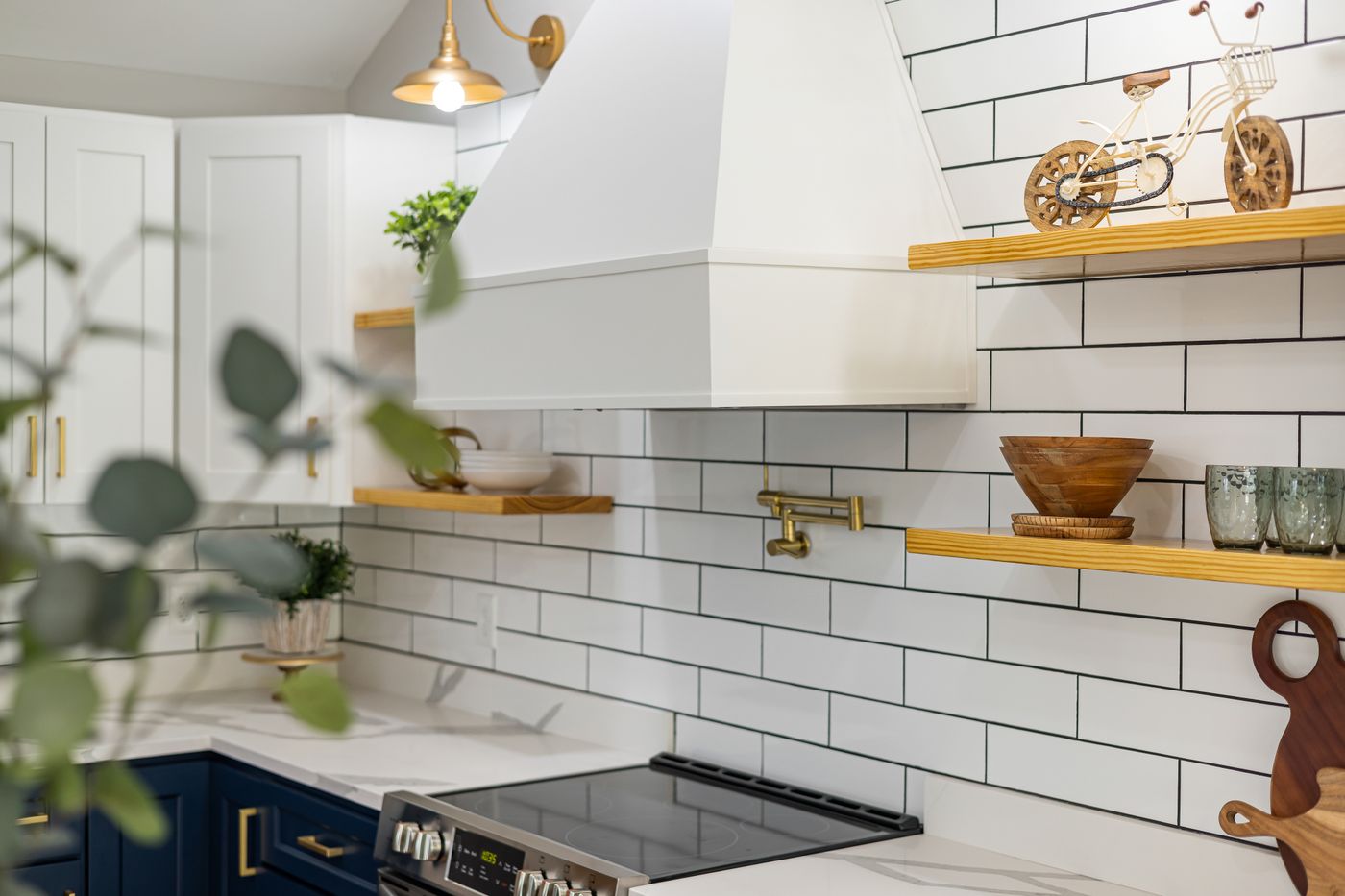
Cabinet color is only one part of the kitchen. Give the worktop, floor, walls, and hardware a clear relationship.
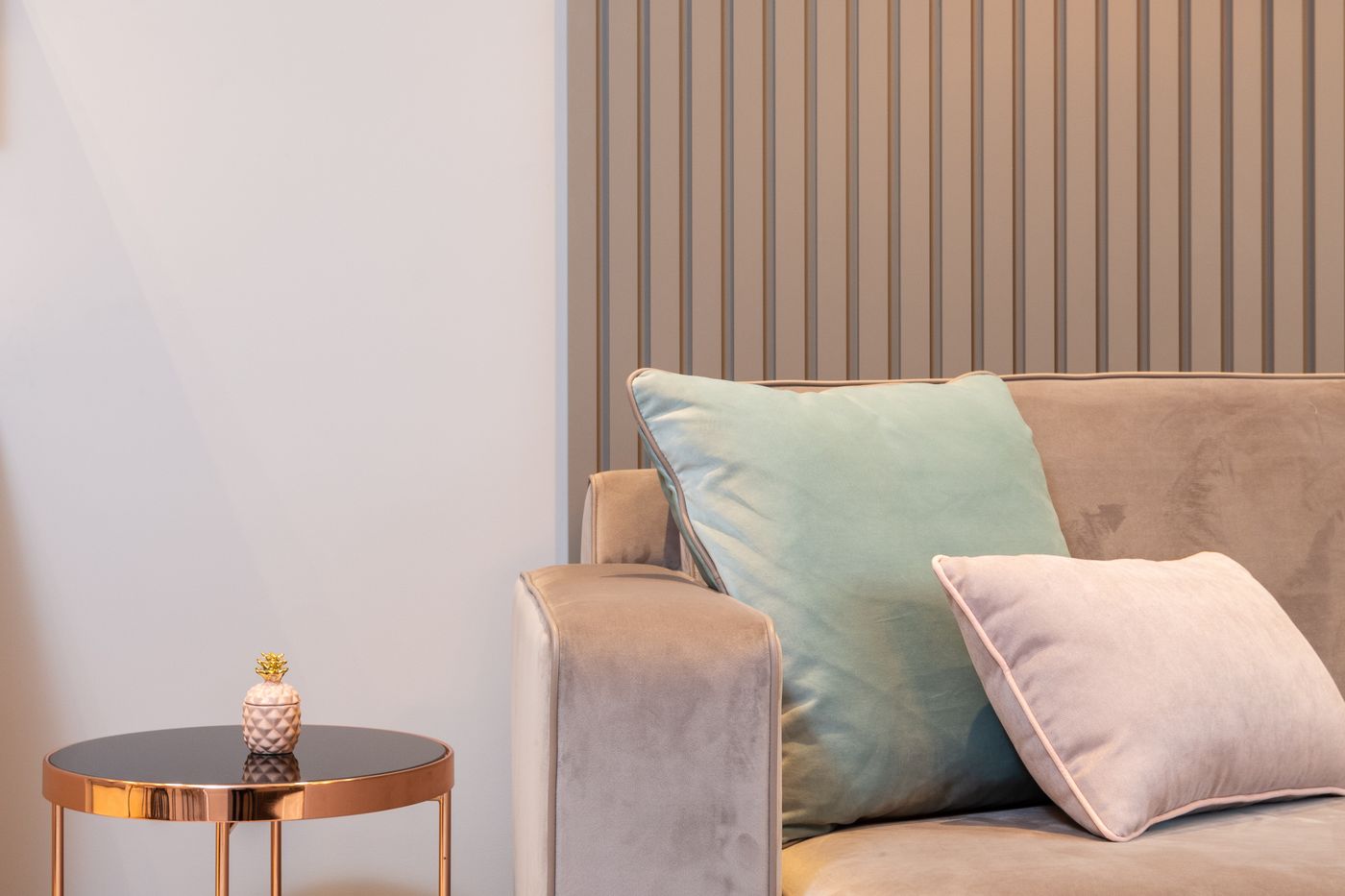
A restrained palette becomes inviting when its surfaces have different weights, weaves, and ways of catching the light.
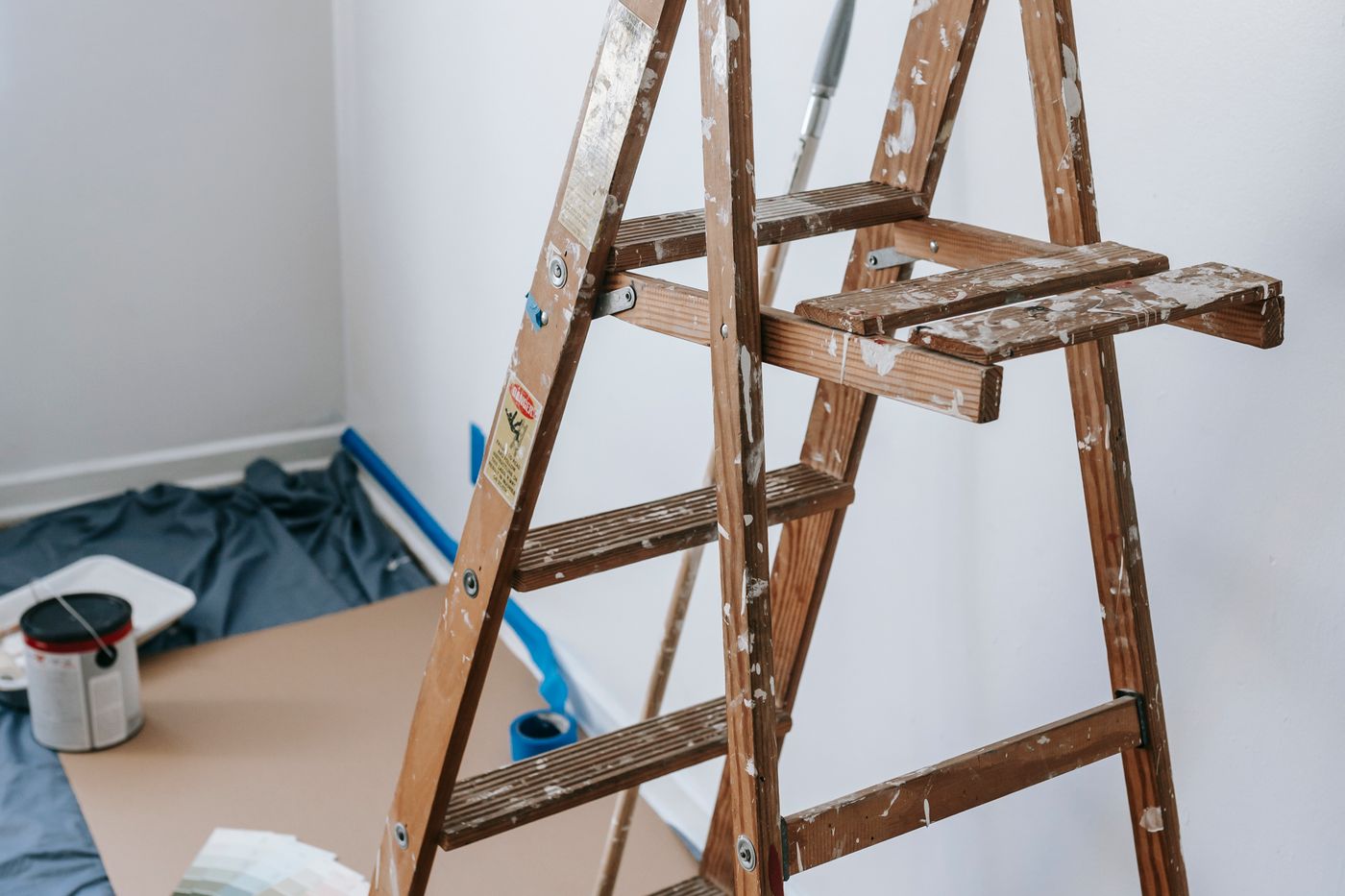
A useful brief turns a folder of attractive rooms into decisions a designer or contractor can actually work with.
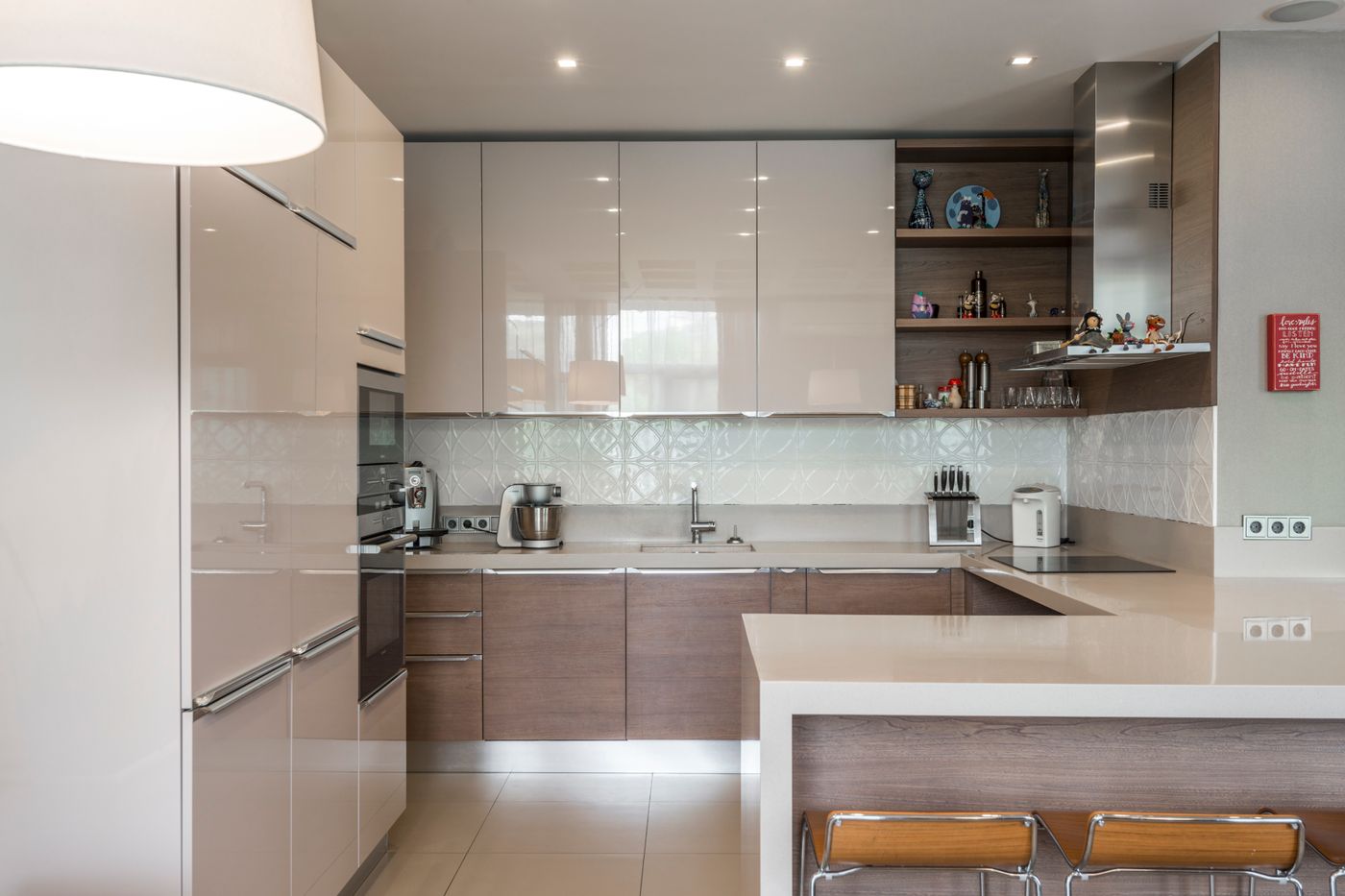
Follow a meal from storage to clearing away, and the useful layout decisions begin to reveal themselves.
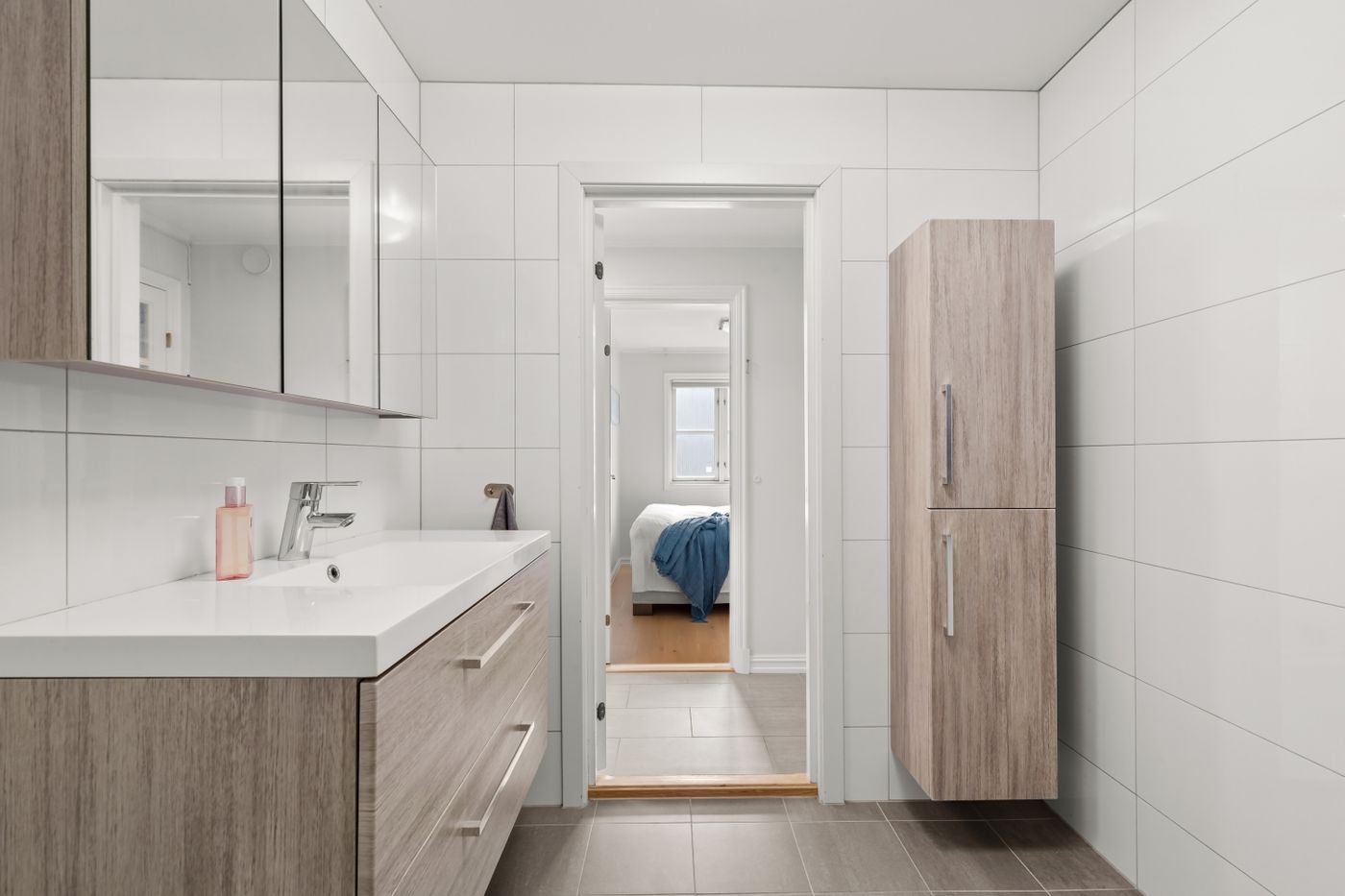
The best bathroom decisions start with movement, storage, moisture, and maintenance before the tile samples come out.
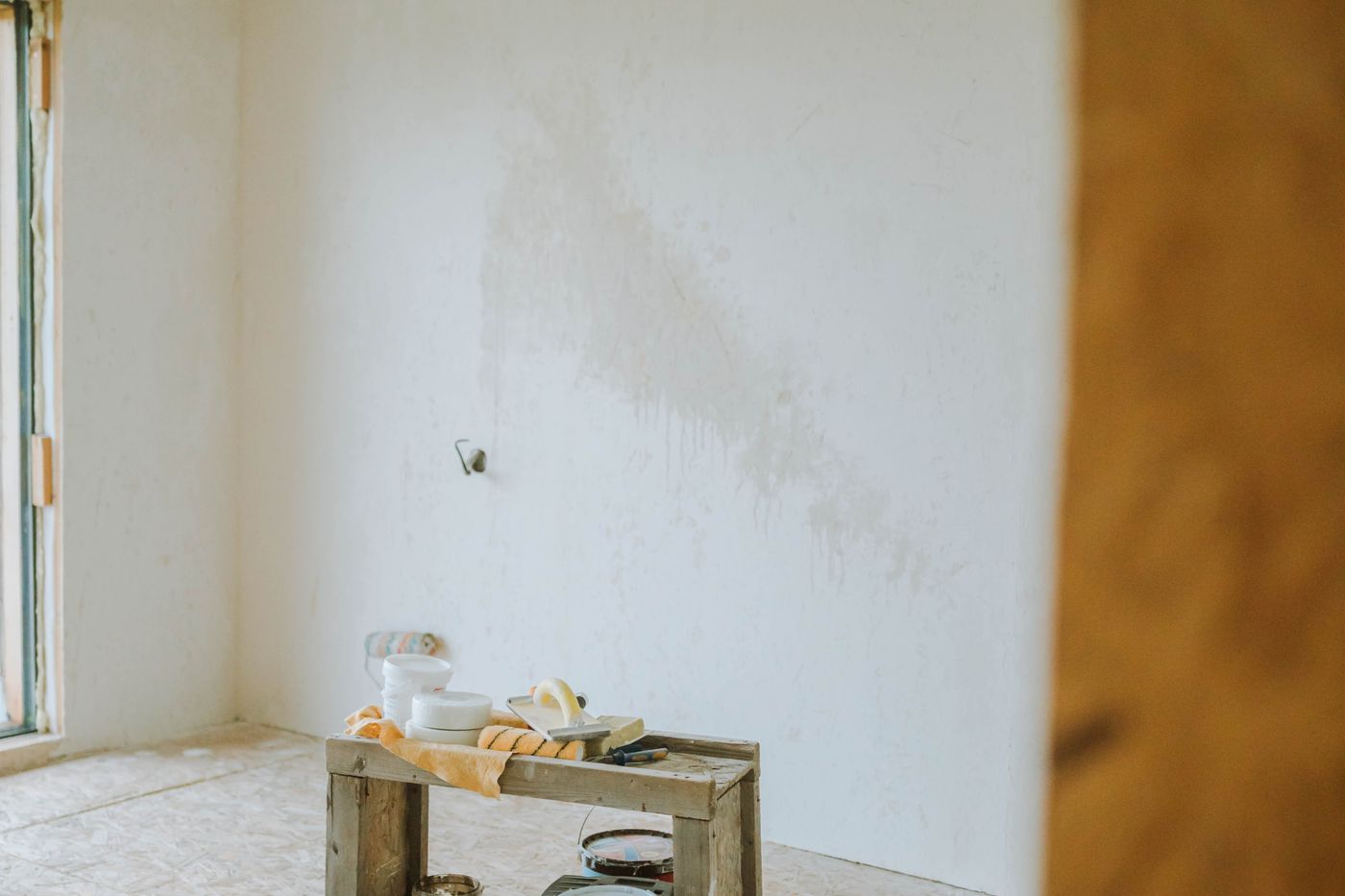
A useful budget separates the work you can define from the uncertainty you still need to investigate.
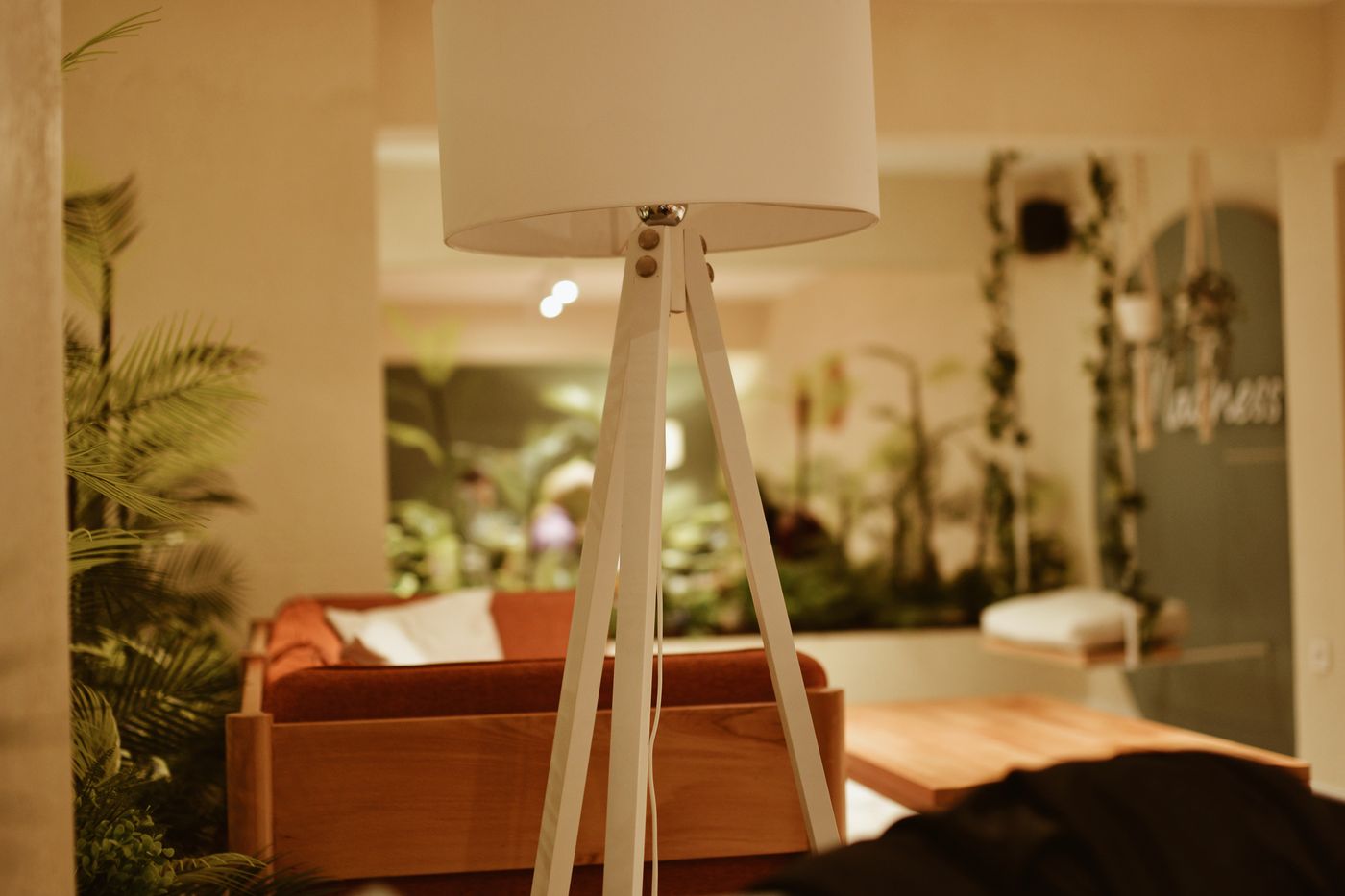
A comfortable room needs light for movement, tasks, and slower moments, with controls simple enough to use without thinking.
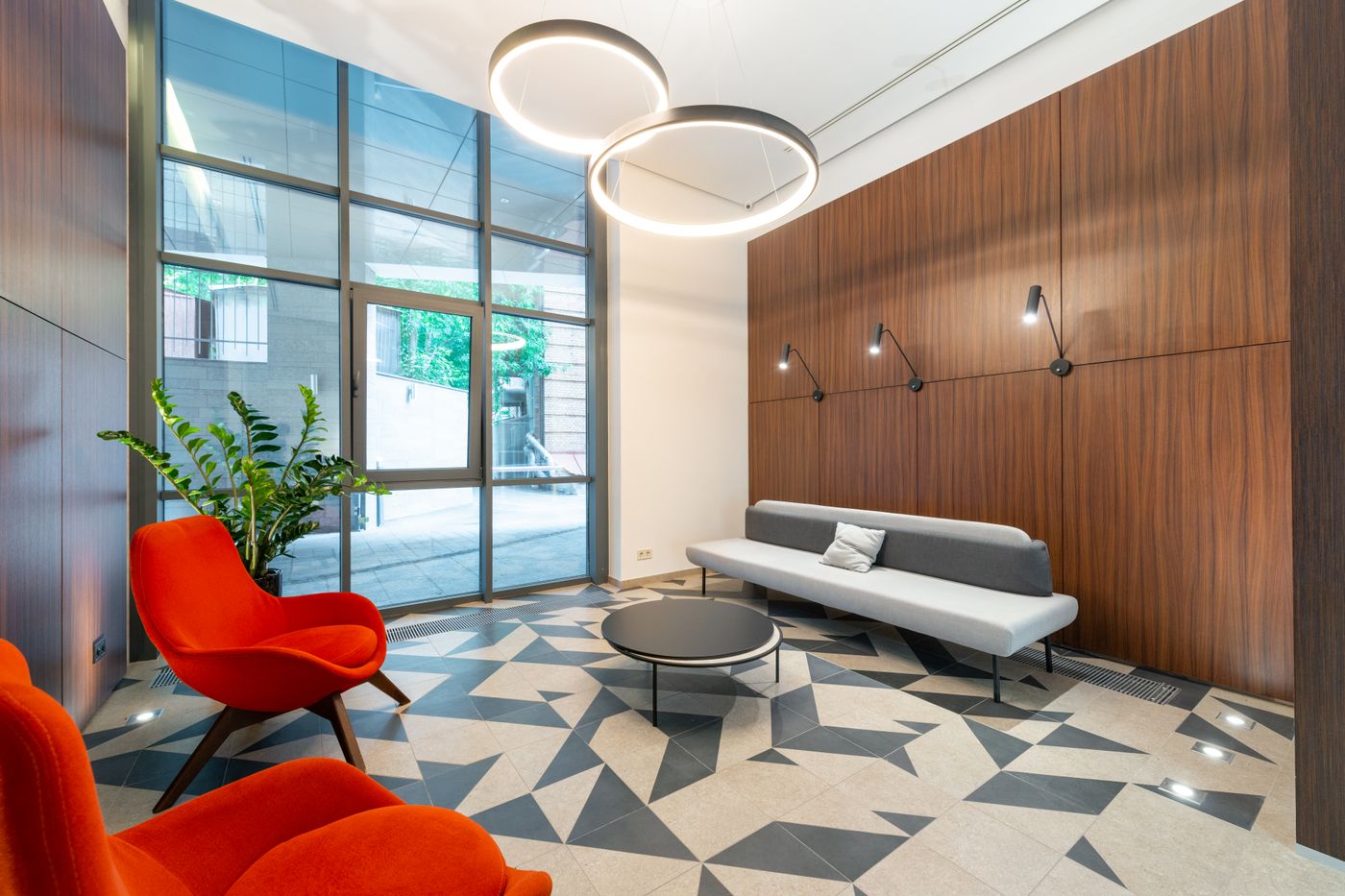
The meeting between two floors is a small detail with consequences for movement, cleaning, and how connected the rooms feel.
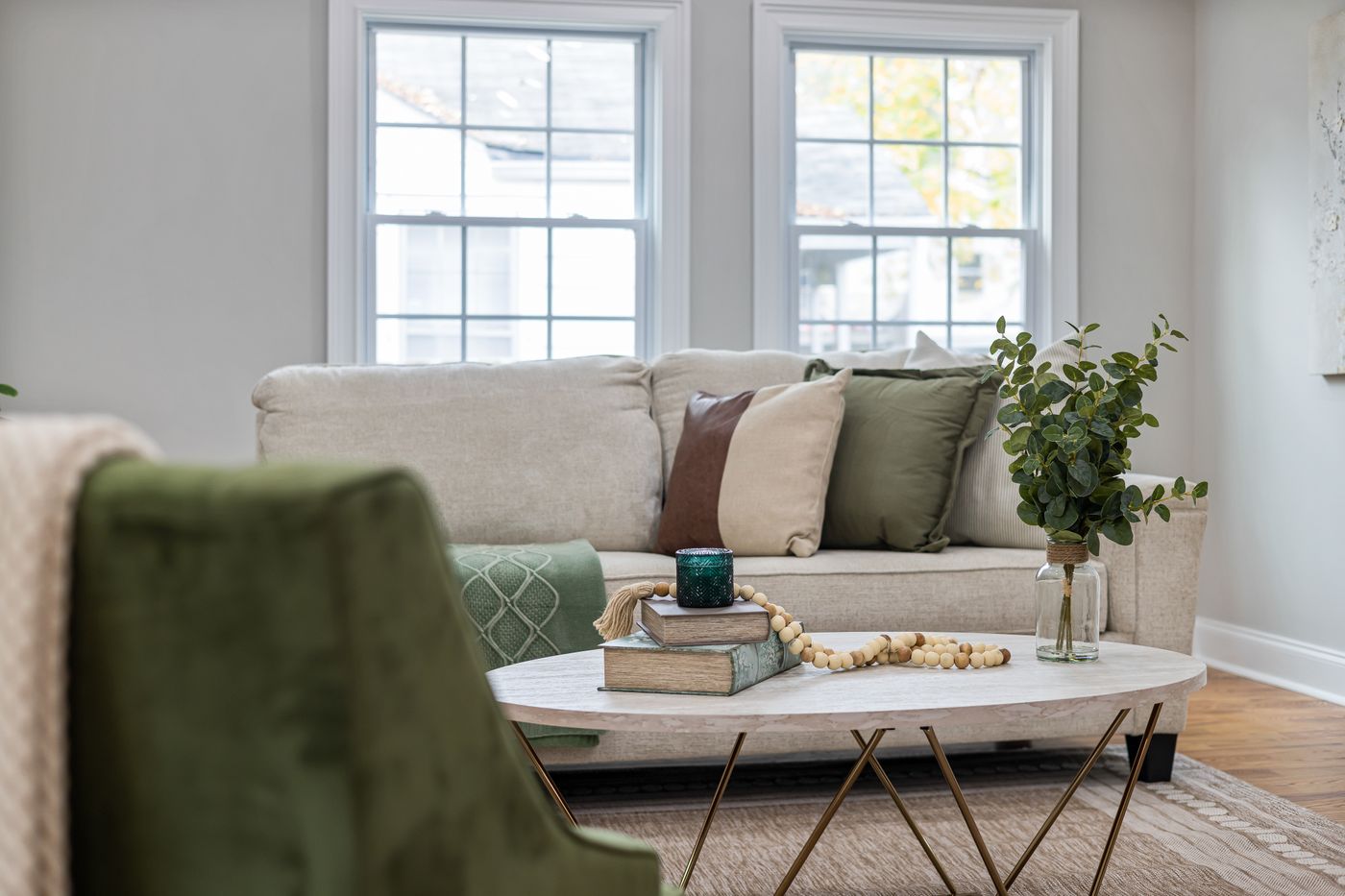
Invest in the pieces that improve daily life now and can adapt to the next home later.
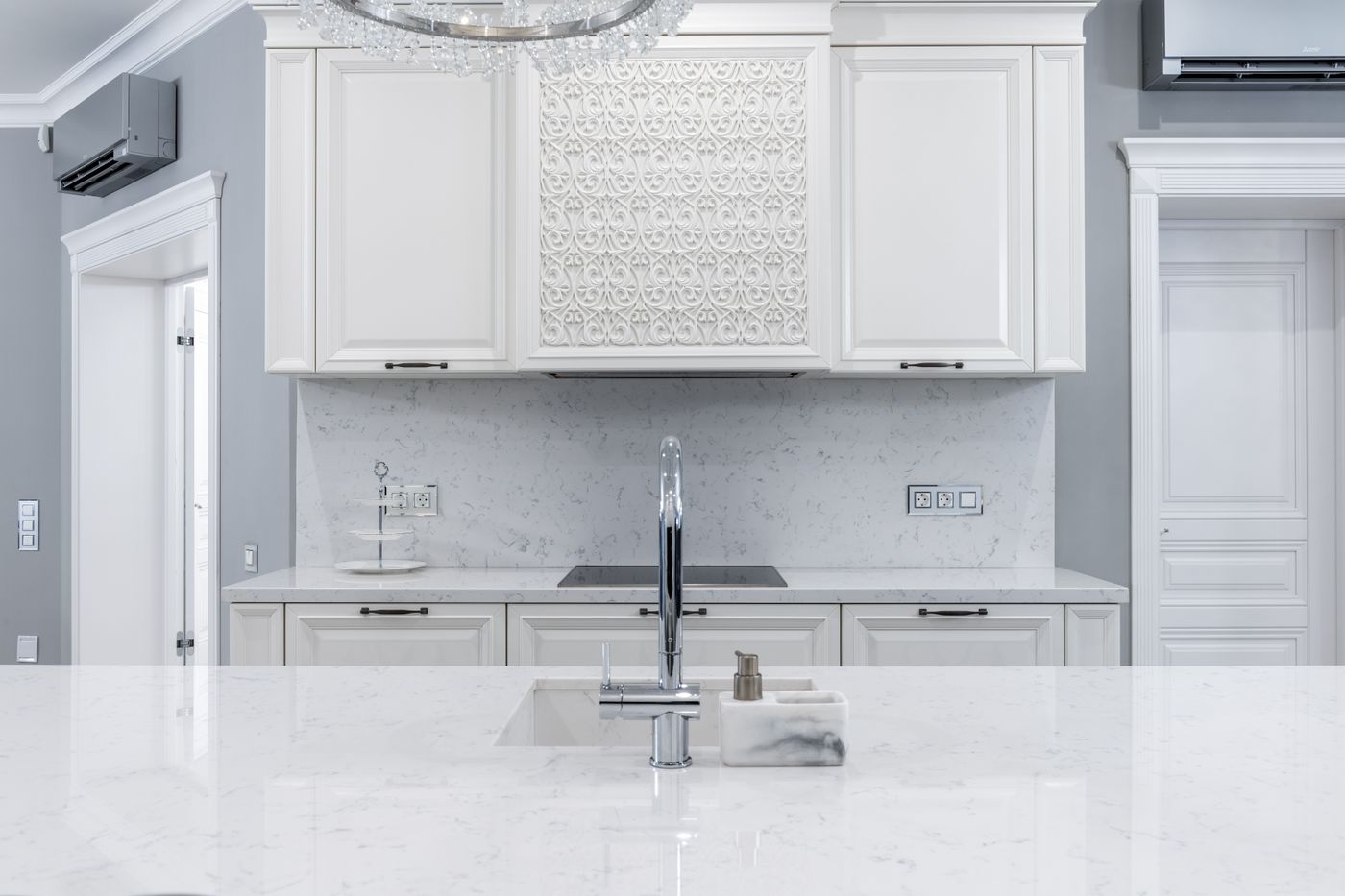
Handles are small, repeated, and touched every day. Their scale and feel deserve as much attention as their finish.
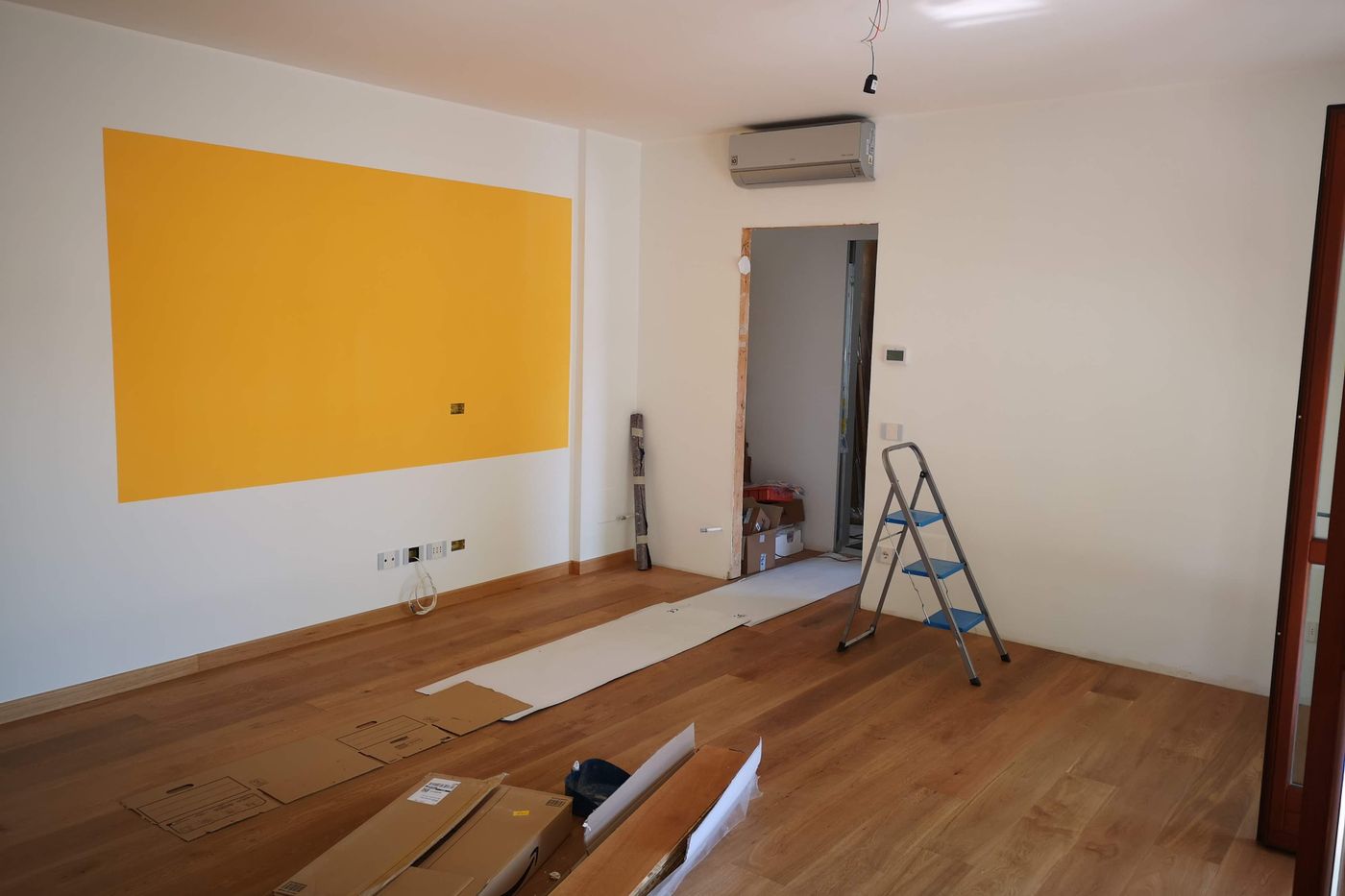
A considered sequence keeps decisions from arriving too late and protects finished work from work that still needs to happen.
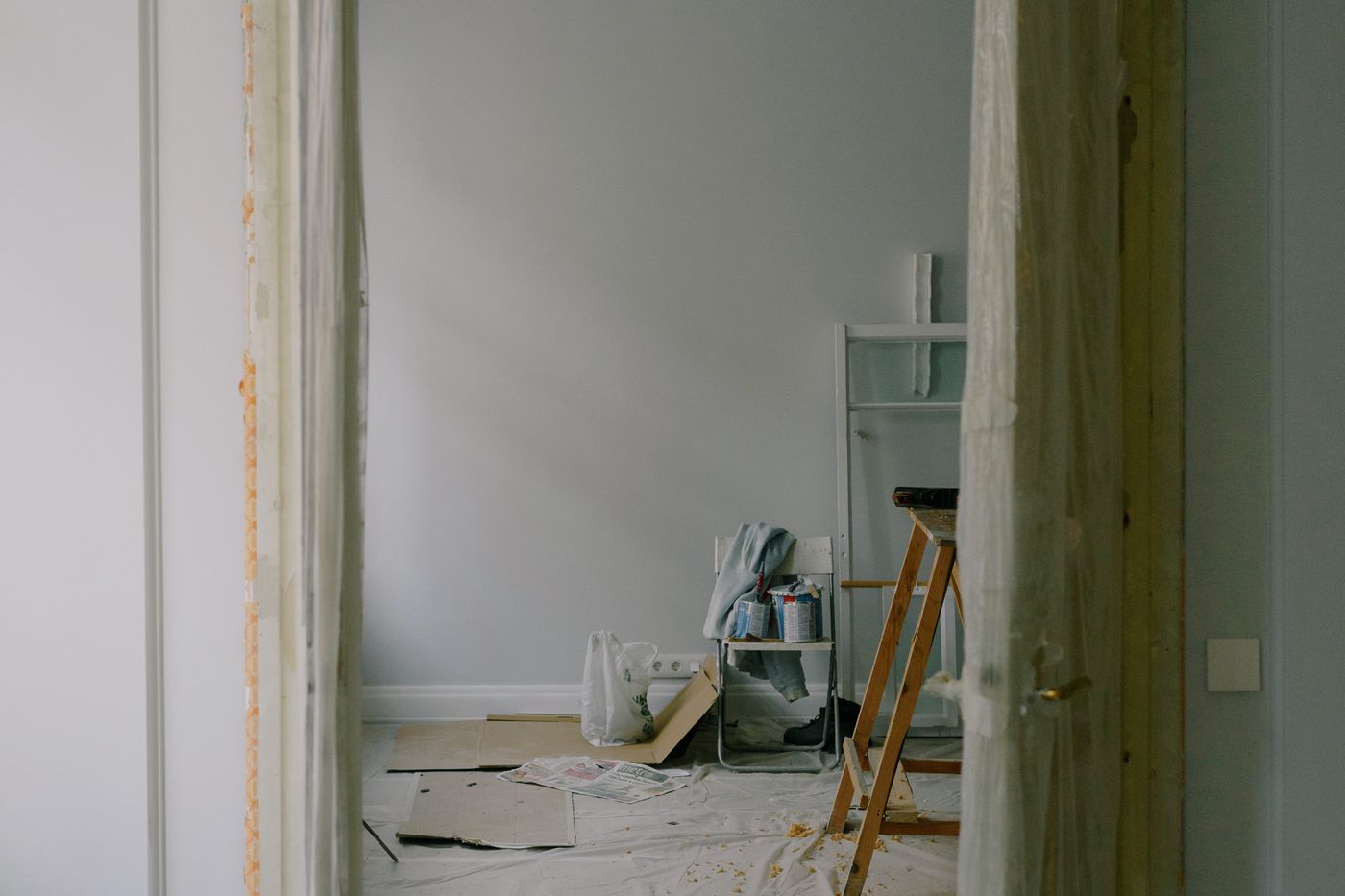
Clear questions reveal how a contractor understands the work, manages uncertainty, and communicates when plans change.
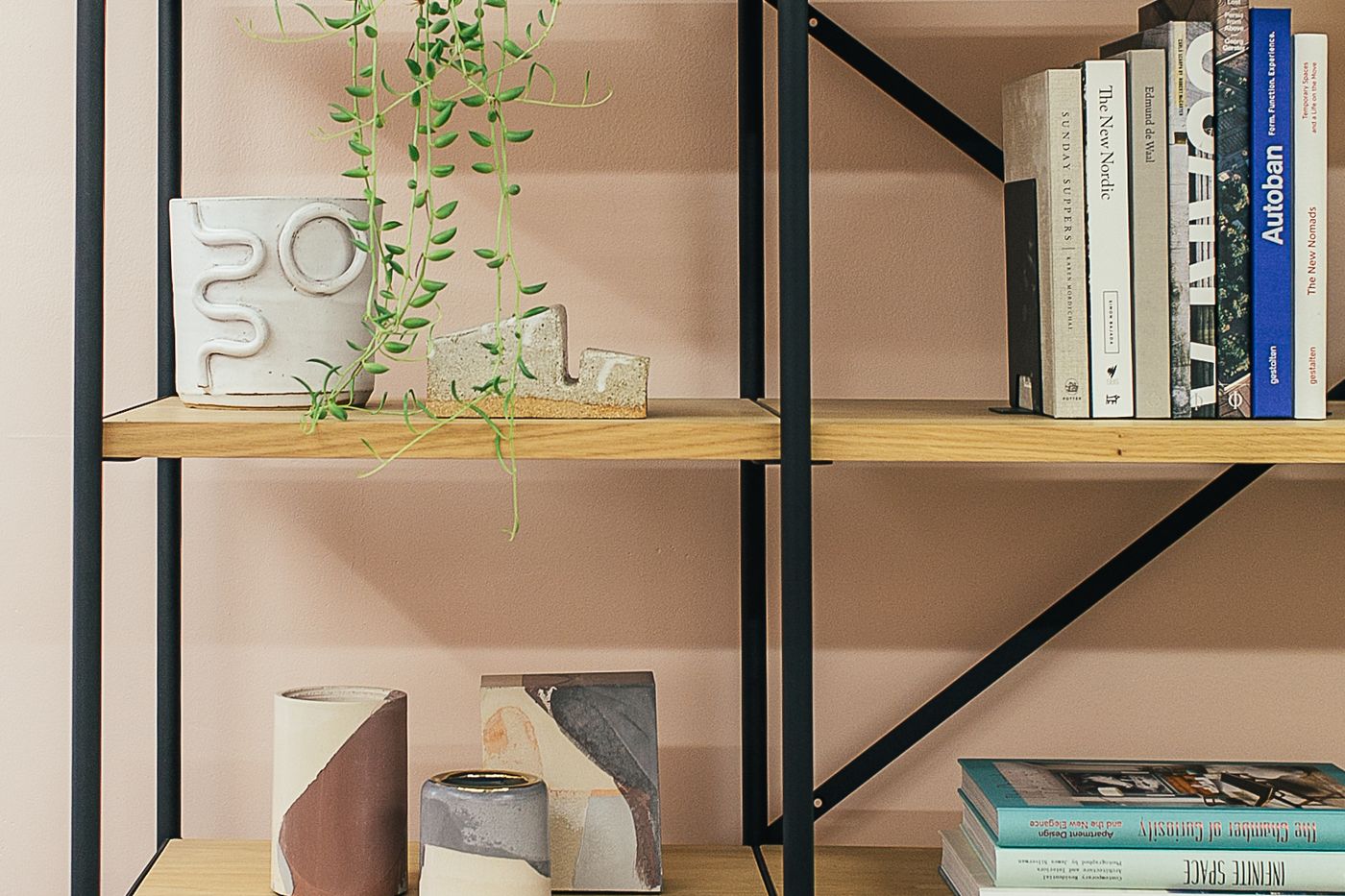
A useful shelf holds books, memories and the occasional unfinished thought. Give those things a structure without turning your home into a display.
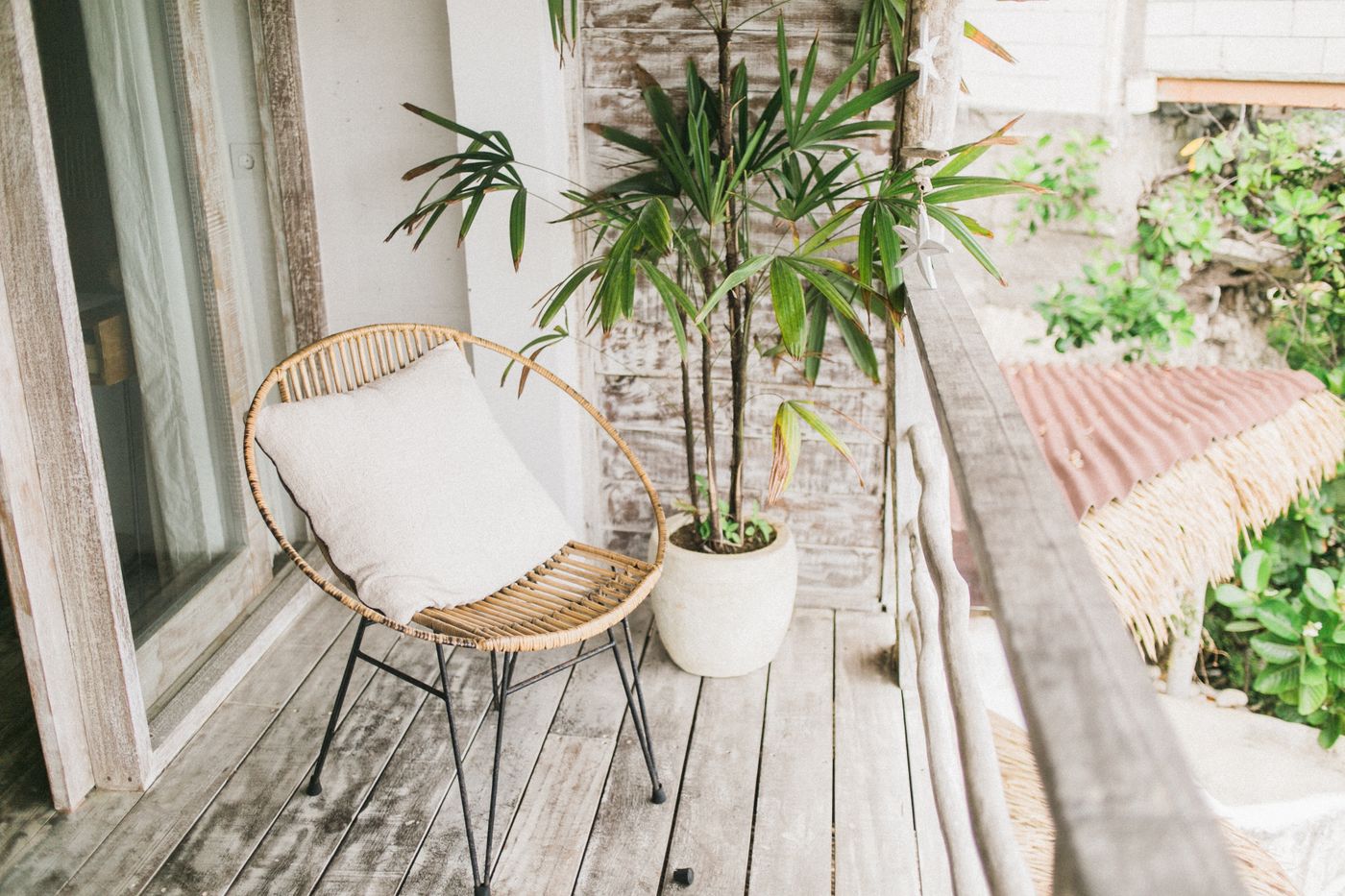
Start with a comfortable place to sit and a clear route outside. A small balcony can offer a daily pause without becoming another crowded room.

Texture makes a room feel inviting. The trick is to give every textile a job, so softness does not turn into a pile of things to move.
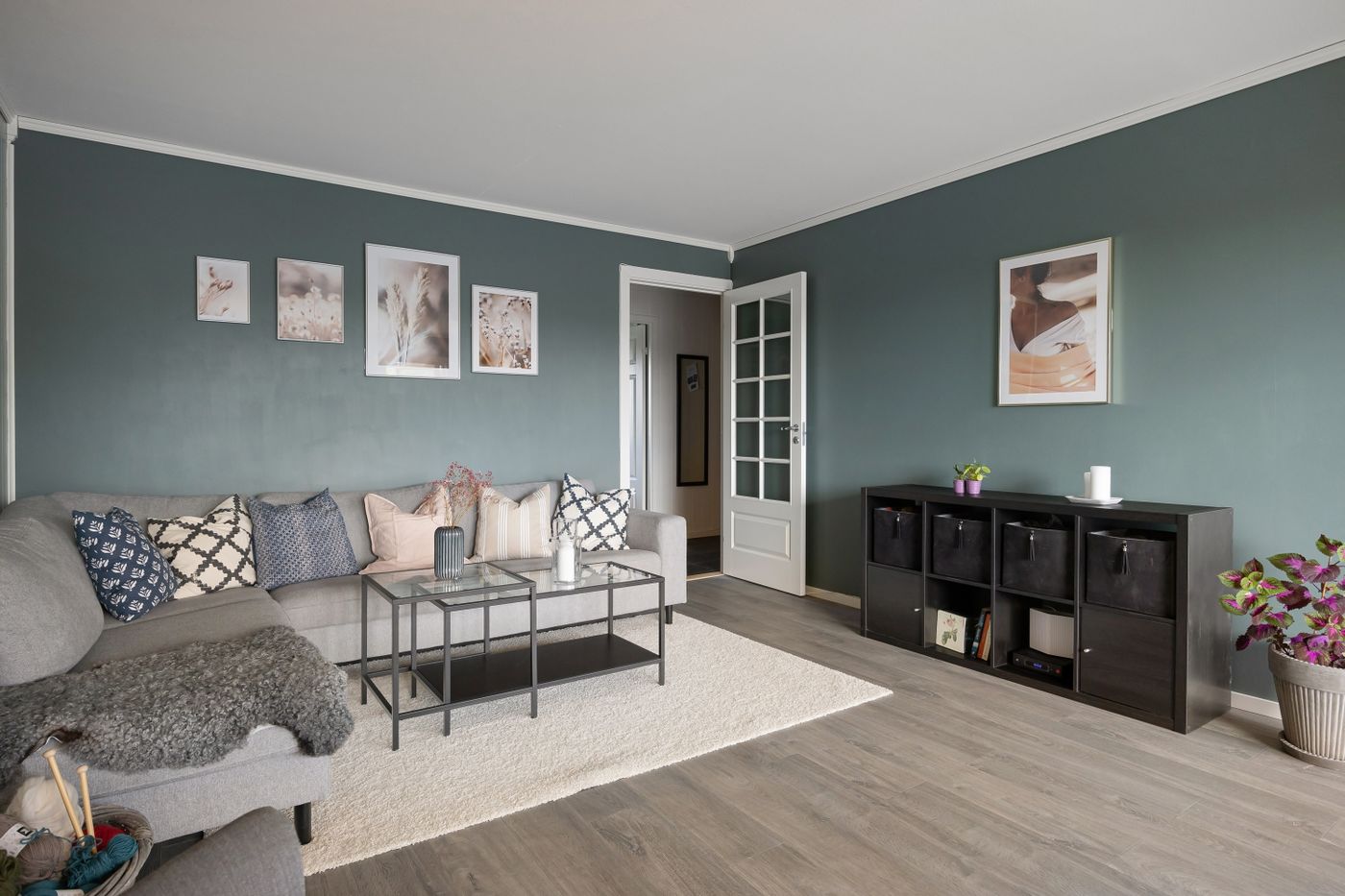
Good placement starts with the furniture, the view and the artwork itself. Use those relationships to find a position that feels settled without following a universal hanging formula.

Choose a place for the plant before choosing a plant for the room. Light, access and a little breathing space lead to a more convincing indoor garden.
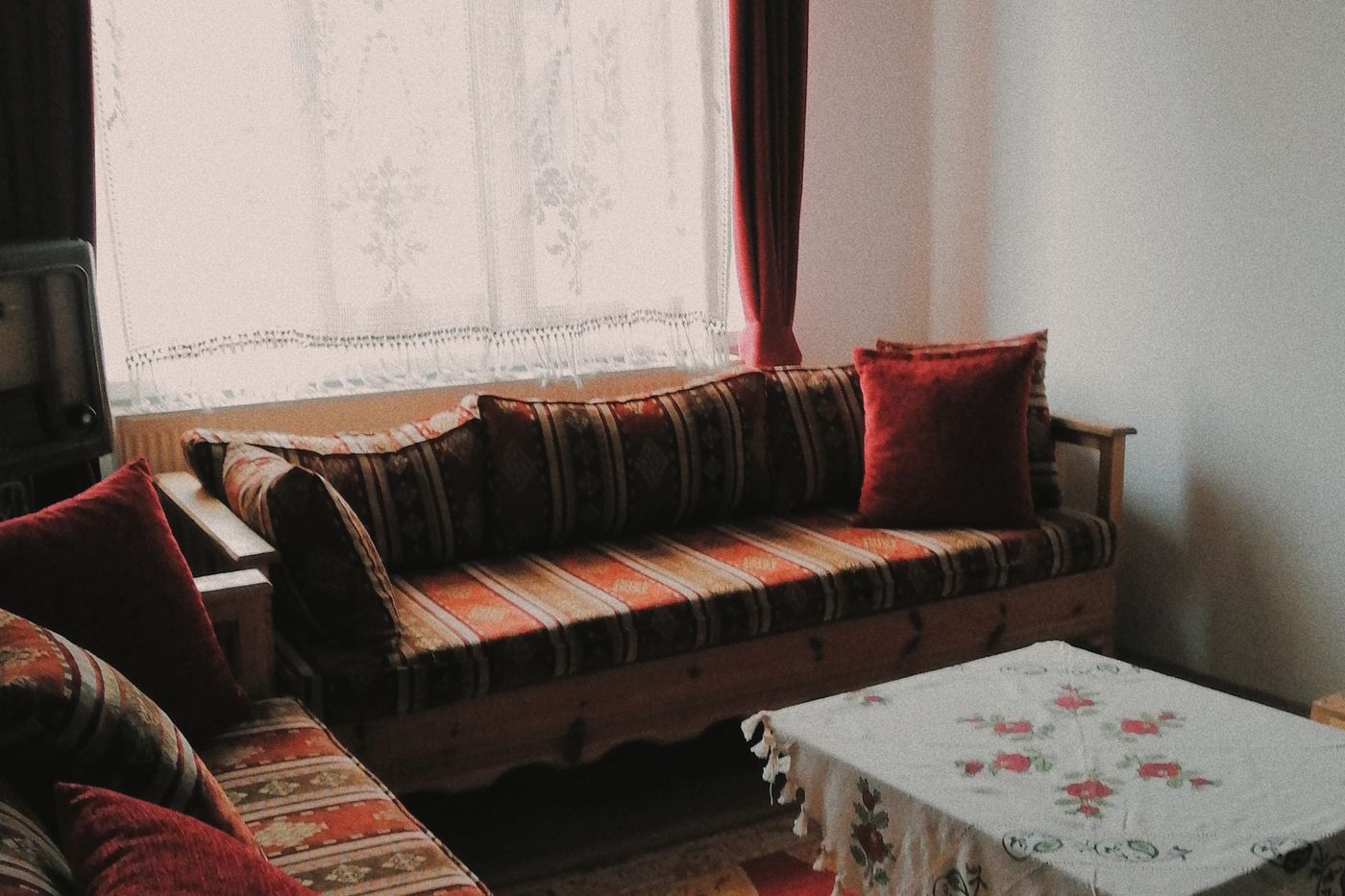
Change the way your room supports the season, rather than replacing its personality. A few useful adjustments can make familiar furniture feel right again.
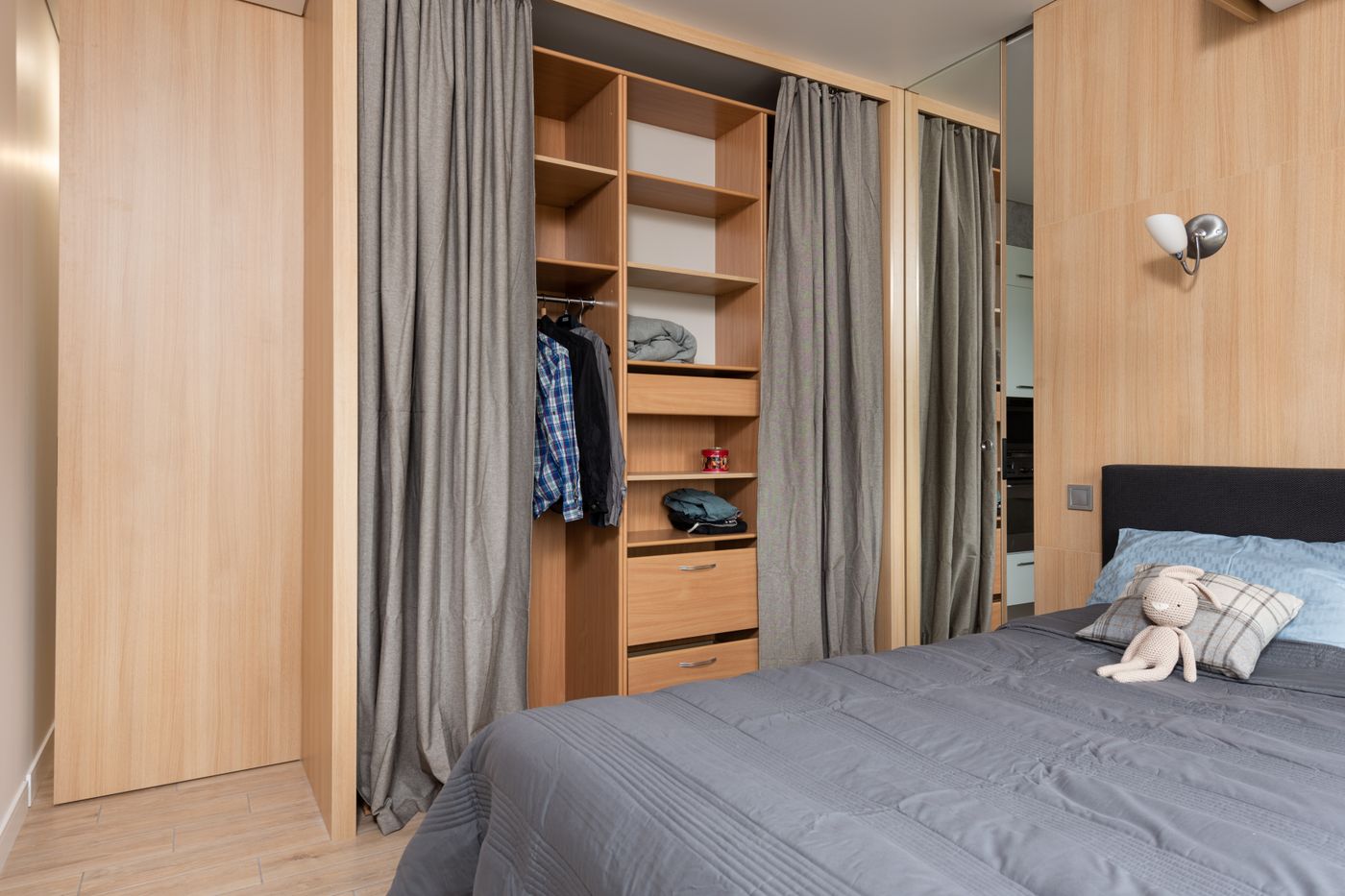
Closed doors can quiet a room, but too much storage furniture can make it feel smaller. Start with what needs a home and choose the lightest practical answer.
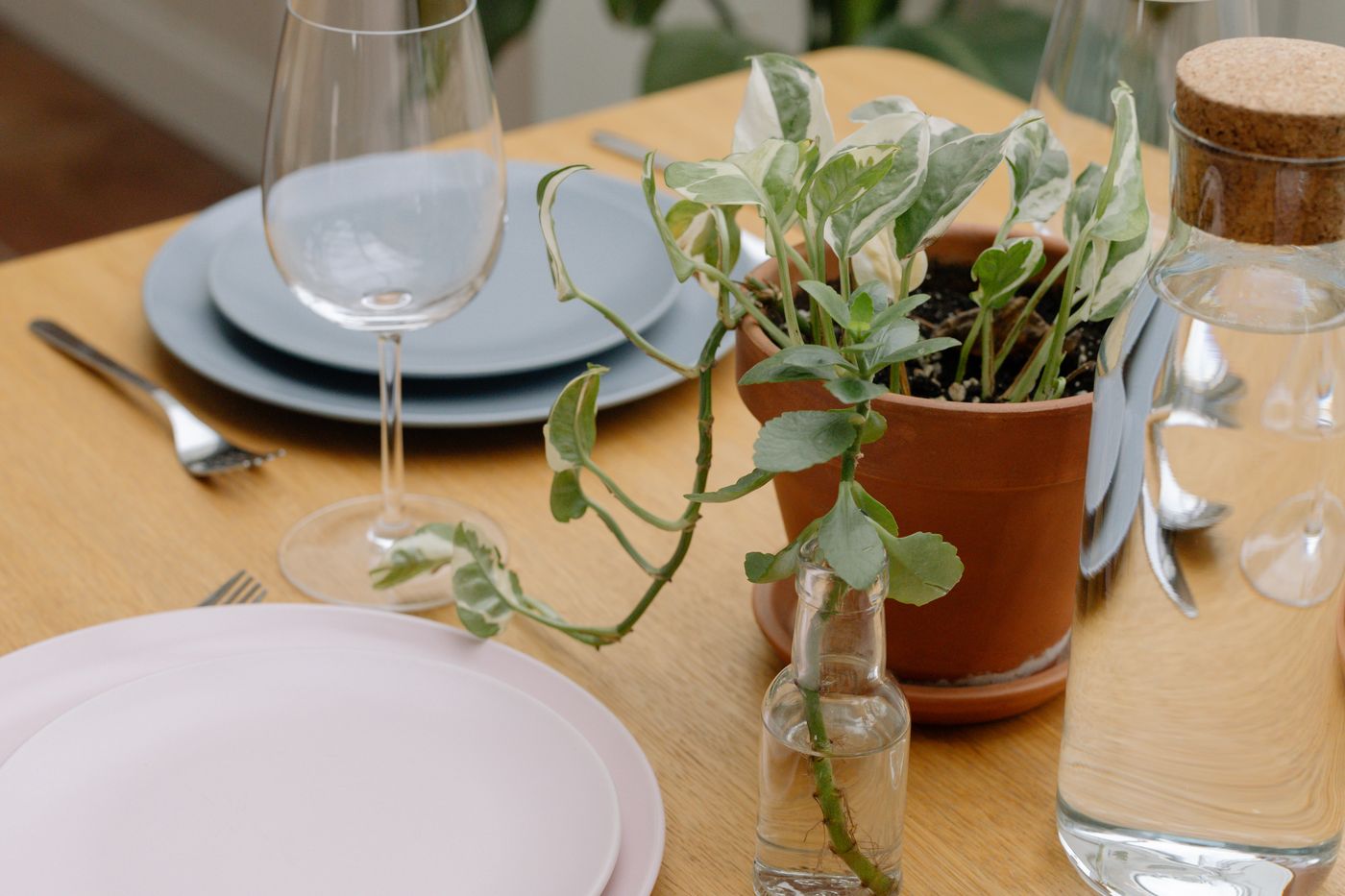
A welcoming table does not depend on a complete matching service. Make room for the meal, choose comfortable pieces and let a few modest details carry the atmosphere.

Good furniture care begins with knowing what you own. A restrained routine and the right instructions are more useful than a cupboard full of universal cleaning products.
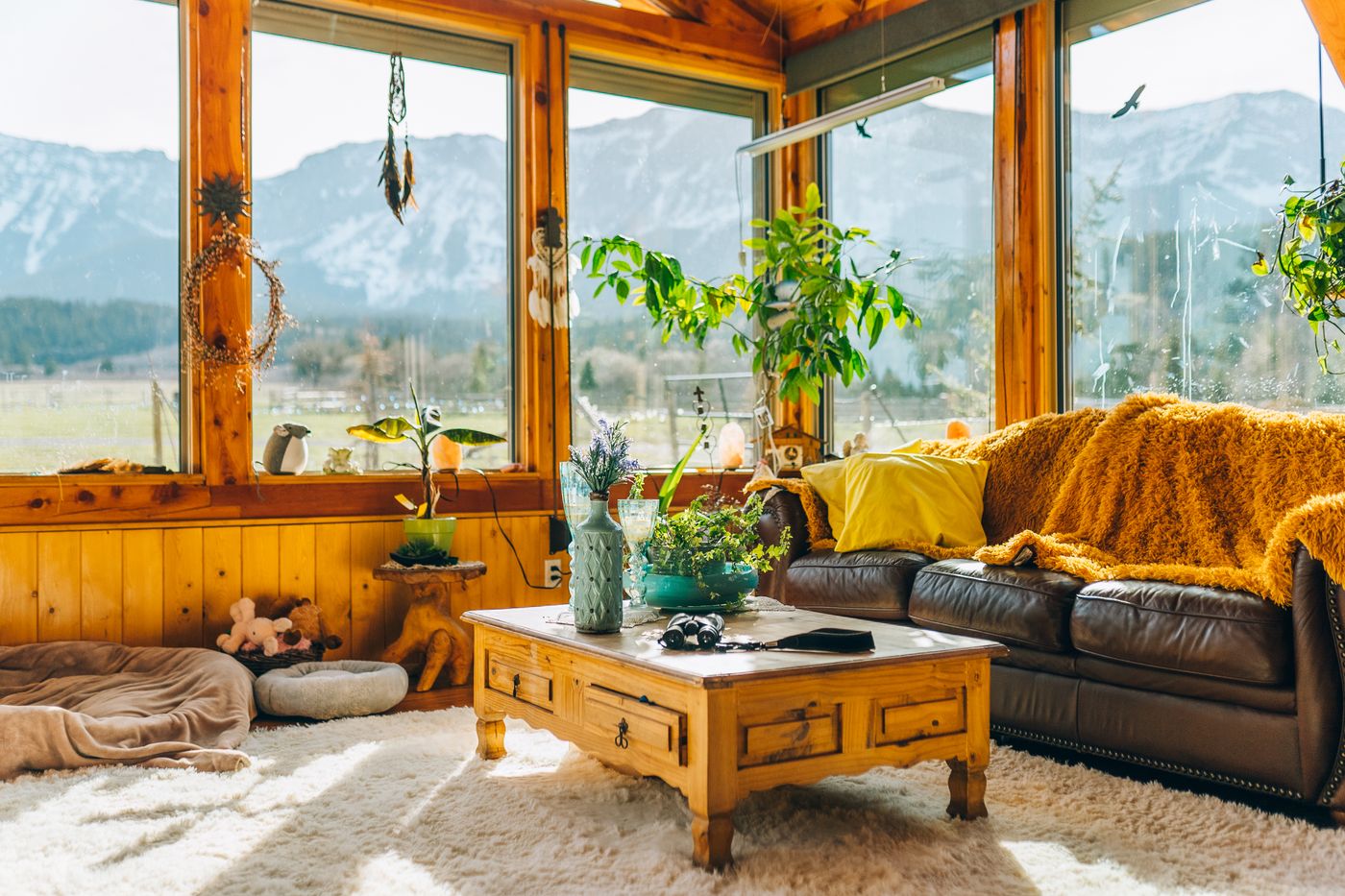
An unfinished room can need one practical decision, while a finished one can still contain an empty wall. Learn to recognize the difference before buying another object.
No stories match your search. Try another word.