Start with the surfaces already in the room
A room often contains more textile than it first appears to. The sofa, curtains, rug, upholstered chairs and bed all contribute texture before a single cushion is added. When the room feels flat, the answer may be a change in contrast rather than a larger quantity of fabric. Look at the biggest surfaces together. If they are all smooth, closely matched and similarly light in tone, a small nubby cushion can do more than three additional pieces in the same plain weave. If those surfaces already carry pattern and texture, extra layers may simply obscure their character.
Take loose cushions and throws out of the room for a moment. Notice what remains visually and what is physically missing. Does the sofa need lumbar support? Is the chair cold to sit on in the evening? Does the bed need a warmer cover during one part of the year? These are useful reasons to add textiles. A blank patch of upholstery is not necessarily a problem. Begin with the missing function, then select a fabric that brings the room something it lacks. That approach usually produces a smaller, more convincing collection than buying a coordinated bundle of accessories.
Choose a palette with room for difference
A limited palette can hold considerable variety. Imagine a room with warm white walls, an olive sofa and a pale oak floor. You could repeat olive in a woven cushion, introduce an oatmeal throw and use a restrained rust stripe as the smallest accent. The relationship is clear even though no two fabrics match exactly. Pull colors from something already present, such as a painting or rug, rather than starting a separate accessory palette that the furniture cannot support. Check samples beside the actual upholstery in daylight and in the lamps you use at night.
Avoid treating similar color names as a guarantee of harmony. A gray with a blue cast can look unexpectedly cold beside a yellow-toned linen, while two whites may differ so much that one appears dirty. These effects are contextual; there is no need to label either fabric wrong. Decide whether the contrast feels intentional in your room. If the palette becomes muddy, add a clearer light or dark note instead of introducing another intermediate neutral. A small amount of charcoal piping or a deep brown stripe can give pale textiles an outline without making the room feel heavily patterned.
Vary the weave before multiplying the objects
Texture is easiest to appreciate when neighboring surfaces differ. A dry linen weave against smooth leather, a brushed cotton cushion on a flat-woven sofa, or a fine wool throw beside a heavier canvas seat creates a legible change. Several cushions made from different versions of the same highly textured fabric may offer less variety than expected. They can merge into one fuzzy surface, particularly when their tones are close. Choose textures by touch as well as appearance. A fabric that looks beautifully coarse may be uncomfortable against bare skin or catch on clothing.
Think about the scale at which a weave reads. A subtle herringbone may appear plain across the room and reveal itself only when you sit down. A thick looped weave announces its texture from the doorway. Both can be useful, but they do different jobs. Pair one clearly visible texture with quieter supporting fabrics rather than asking every layer to compete. Consider pets, jewelry and everyday use when looking at loops, fringes and open constructions. A textile that repeatedly snags is unlikely to remain an enjoyable detail, however well its color relates to the rest of the room.
Let pattern have a clear role
Pattern can connect a palette, create movement or give a plain piece of furniture a stronger identity. Choose the role before choosing the print. In a room with a patterned rug, a cushion that repeats one quiet color may be all that is needed. If the main surfaces are plain, one larger-scale motif can supply the room's visual interest. Mixing patterns becomes easier when they differ in scale and share at least one color relationship. A broad stripe and a small scattered motif are often more legible together than two busy patterns of similar size.
Hold the fabrics at their intended distances. A large motif may disappear when cut into a small cushion cover, while a fine stripe can create an unexpectedly restless effect when repeated across an entire bed. Check how seams and folds interrupt the design, especially on curtains and throws. You do not need a pattern on every textile category. A patterned cushion can sit happily with plain curtains and an unpatterned rug. Leaving some surfaces quiet allows the chosen pattern to be noticed. The aim is a room with a point of view, not a fabric sample board in which every available design is represented.
Give the sofa back its sitting space
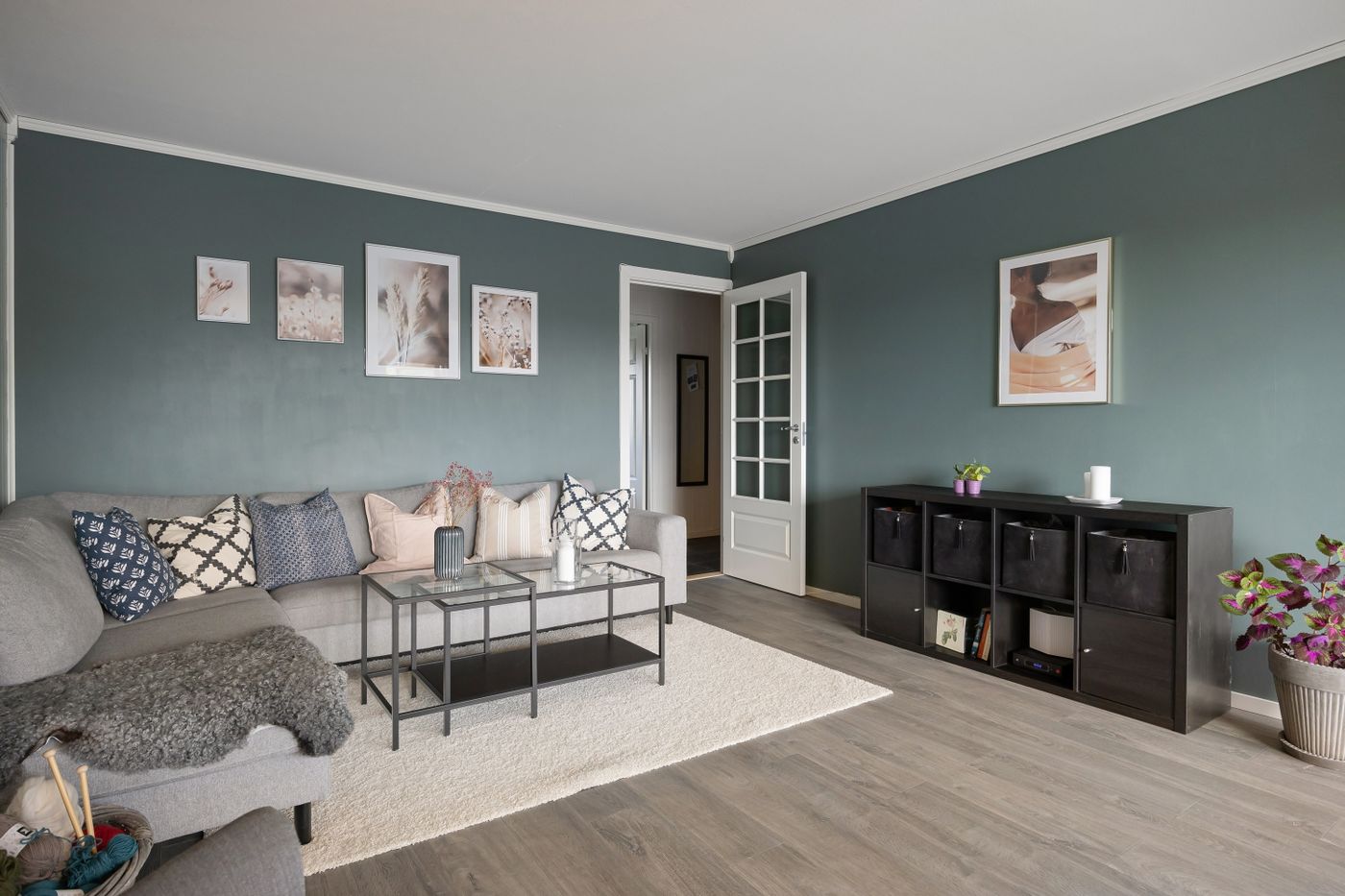
Cushions should make a sofa easier to use. Their number depends on the seat's size, depth and the people who sit there, rather than a fixed decorating formula. A shallow sofa with a supportive back may need only a small cushion at one end. A deep seat may benefit from a firmer cushion behind the lower back. Test the arrangement while sitting normally, including the position where you read or watch a film. If everyone removes all the cushions before settling down, the arrangement is creating work instead of comfort. Reduce it or change the cushion proportions.
Mixing one larger cushion with a smaller rectangular one can provide useful differences in support without filling the seat. Keep the covers compatible with the care routine you can maintain. Removable does not automatically mean machine washable, so read the actual label before buying. A single throw can sit folded over an arm, laid across a back or stored in a nearby basket. Choose one resting place that does not interfere with sitting. Elaborate diagonal drapes often slide off as soon as the sofa is used. A simpler fold can look considered and remain practical through an ordinary evening.
Build a bed around sleeping rather than display
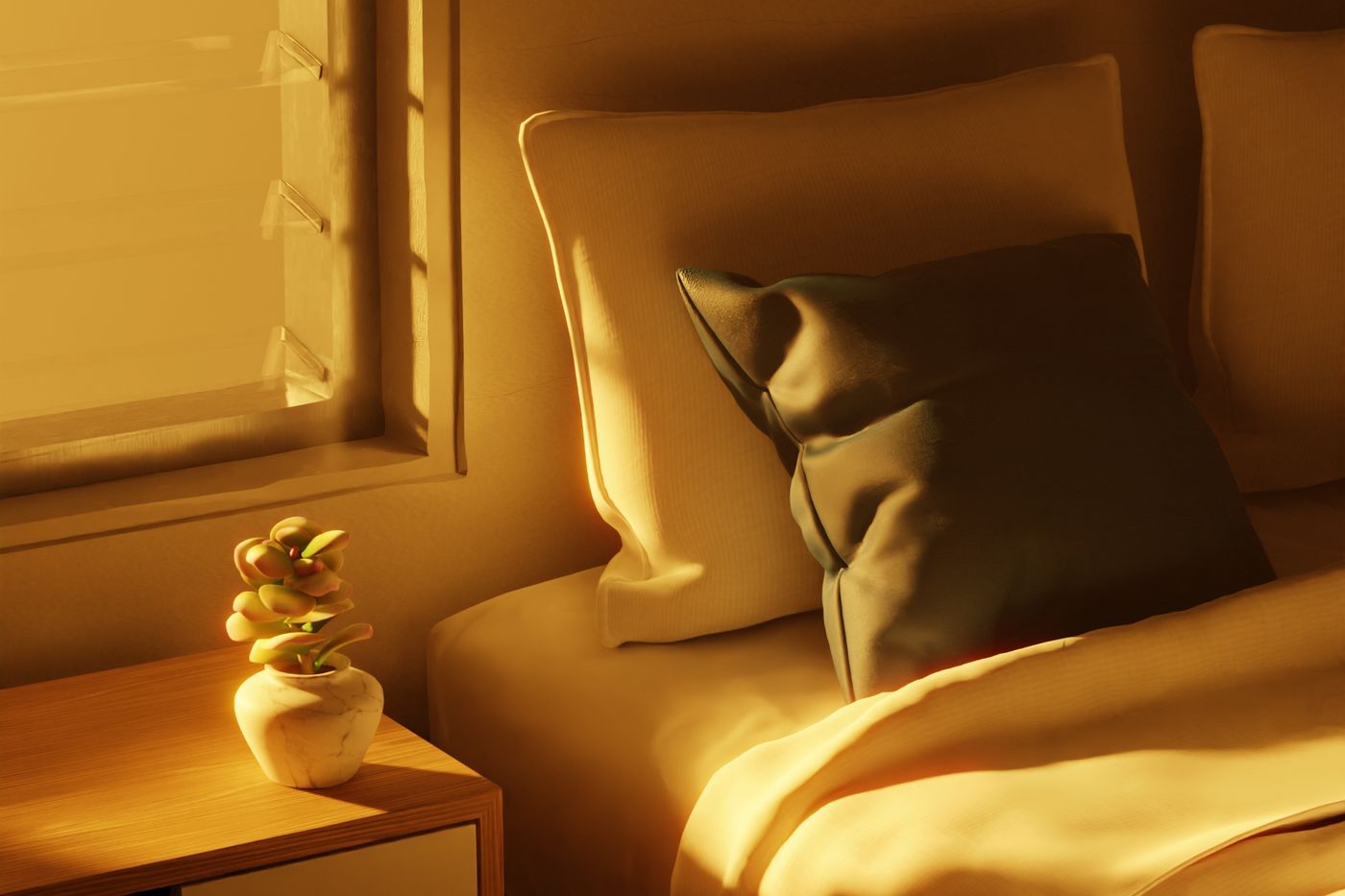
On a bed, the useful layers are those that manage comfort and temperature. Begin with sheets, the cover that suits the room and season, and the pillows actually used for sleeping. Add a blanket or bedspread only if it contributes warmth, protects the bedding or provides a finish you enjoy maintaining. A light cover folded at the foot gives a different visual weight from a heavy quilt spread across the whole bed. You can create contrast with the relationship between the main cover and that folded layer, without building a tall row of decorative cushions.
If decorative pillows are part of the look you want, decide where they go at night. A chair already needed for clothing is not a dependable storage plan. A clean basket or a clear shelf can make a small number manageable, but if there is nowhere appropriate to put them, use fewer. Consider the feel of seams, fringes and embellishments near sleeping surfaces. Layers that are pleasant to see but awkward to handle rarely stay neatly arranged. The best bedroom textile scheme looks complete with its essential bedding in place, so a rushed morning does not leave the room feeling unfinished.
Consider curtains and rugs as foundations
Curtains and rugs occupy enough area to determine how smaller layers behave. A heavy velvet curtain already contributes a strong tactile presence, while a sheer panel introduces a lighter, more diffuse one. Balance that weight elsewhere rather than repeating it automatically. The room can feel grounded by a flat-woven rug and softened by curtains, or the reverse. Check the practical conditions before making a visual choice: floor heating compatibility, door clearance, safe rug backing, sunlight and the manufacturer's care instructions all matter more than completing a particular texture combination.
Layered rugs can create an appealing boundary, but they also create extra edges, possible movement and a more complicated cleaning routine. In a busy walkway, one well-proportioned rug is often the clearer choice. If layering is appropriate, verify that both rugs and any underlay are compatible with the floor, remain secure and do not obstruct doors. Avoid stacking a small rug over a larger one simply to compensate for buying the wrong size. The larger foundation should make sense on its own. Smaller textile details are more convincing when they support sound proportions rather than disguise a mismatch beneath them.
Plan for washing, wear and seasonal storage
A textile collection becomes easier to manage when care requirements are considered together. Read labels for washing, drying, ironing and professional cleaning, including the instructions for cushion inserts as well as covers. Dark dyes, delicate trims and mixed fibers may need separate treatment. Keep any spare fabric or product details that could help with future repairs. Rotate cushions when appropriate to distribute wear, and follow the maker's guidance on sun exposure. A beautiful fabric that demands frequent specialist care may be sensible for a quiet chair and impractical on the main family sofa.
Seasonal changes do not require a separate set of everything. You might store one heavier blanket during warm months and bring it back when the room needs extra warmth. Clean textiles according to their instructions before storing them, make sure they are dry, and choose a suitable clean storage space. Avoid compressing delicate textures in a way that damages them. Label stored items so they are found rather than forgotten and repurchased. If your storage is already full, treat that as a limit on the collection. Soft layers should make daily life more comfortable, not steadily consume every cupboard.
Edit by using the room
Live with the arrangement before adding another layer. Notice which throw is reached for, which cushion always lands on the floor and which fabric looks out of place when the room is lit at night. Move useful pieces toward the activities they serve. A blanket near a reading chair may be used daily, while the same blanket folded on a distant shelf becomes decoration. If the room feels busy, remove the smallest high-contrast textile first. Often one patterned cushion or fringed throw creates more visual activity than several larger plain surfaces.
The final test is the reset. After an evening of ordinary use, you should be able to restore the room with a few uncomplicated movements: put the cushion upright, fold the blanket, straighten the bedding. If restoring the arrangement requires remembering a sequence of overlapping layers, simplify it. A comfortable room can contain visible creases and a casually folded throw. Those signs of use are not failures of design. Textile layering works when it adds touch, warmth and a little visual depth while leaving the furniture free to do its job. Stop when the room feels good to inhabit.
Take it home
- Count existing upholstery, curtains and rugs as part of the layers.
- Choose a different weave before buying another cushion.
- Keep enough clear seat area for normal use.
- Give every removable layer a storage and cleaning plan.