Choose the morning you actually have
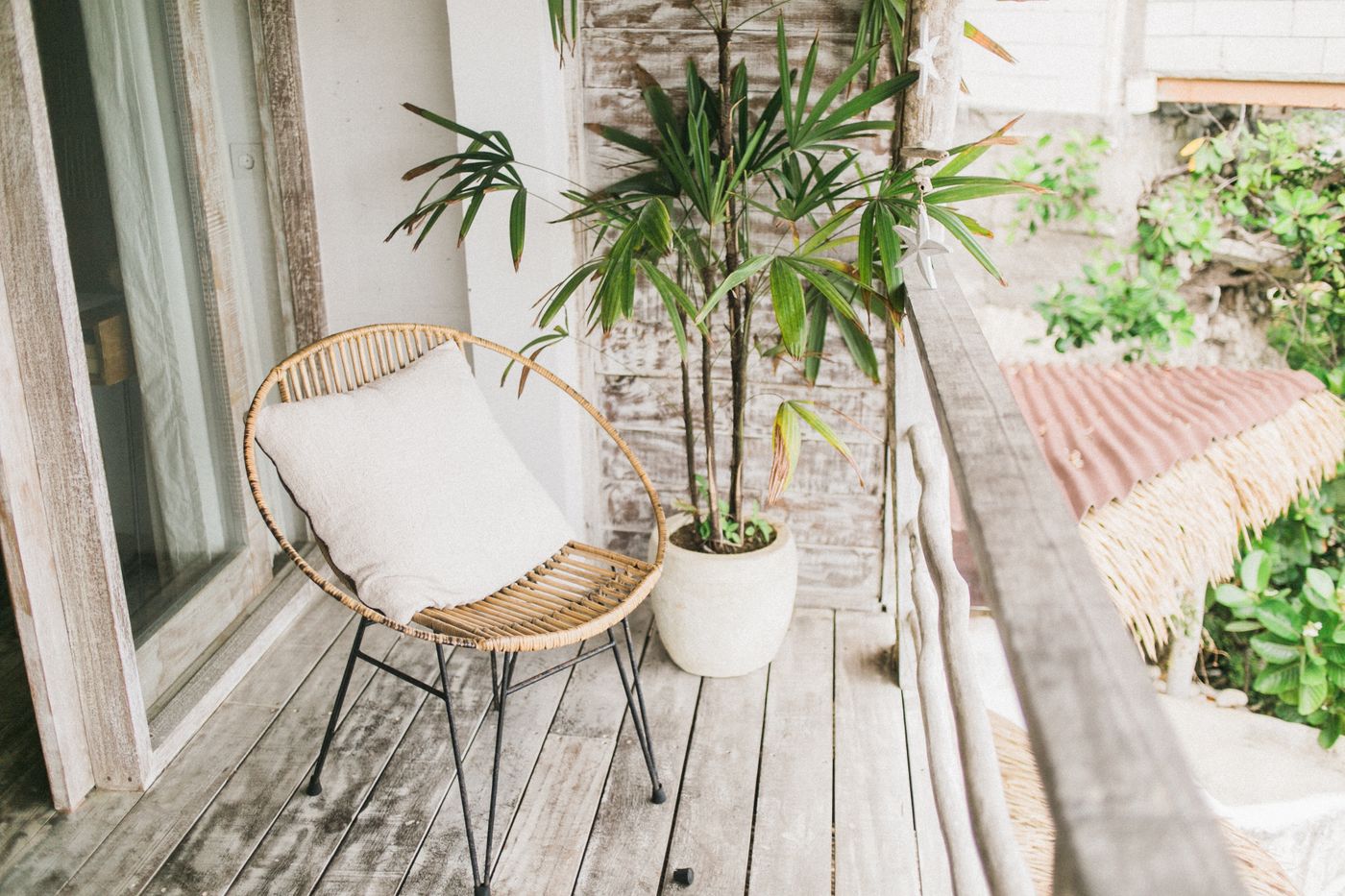
A balcony does not need to become an outdoor dining room, miniature garden and exercise space at the same time. The more modest brief is often the one that gets used. Picture an ordinary morning rather than a holiday: one cup of coffee, a few minutes with a book, perhaps breakfast for two on a weekend. Decide how many people need a seat and what needs to rest on a surface. Those answers establish a useful starting point. A single comfortable chair and a small side table can offer more pleasure than a complete dining set that makes the door difficult to open.
Spend a little time outside before buying anything. Notice whether the seat you imagined is in glaring sun, whether a neighboring extractor makes one corner unpleasant, and whether the wind gathers near the outer edge. A balcony that is inviting at sunrise may be too exposed by late morning. Design around the hours when you will use it. If the space is a useful place to dry laundry as well, include that requirement honestly. A folding drying rack with a specific storage position can coexist with a pleasant sitting area more easily than an unacknowledged daily obstacle.
Check the limits before adding weight
Begin with the building's rules and the condition of the balcony. Ask the owner, manager or relevant professional about permitted loads, attachments, screening, drainage and any restrictions on pots or furniture. There is no universal safe number of planters for every balcony. Wet compost, large ceramic pots and stored materials can weigh considerably more than their empty appearance suggests. Do not estimate the structural capacity from a photograph or the apparent thickness of a slab. Cracks, loose rails or signs of deterioration need appropriate assessment before the space is furnished or used as intended.
Keep emergency access, doors and drainage points unobstructed. Nothing should be mounted to a railing without permission and a fixing method suitable for the actual structure and local wind conditions. Avoid placing chairs, boxes or planters where they create a climbing aid near the edge, particularly when children visit. A screen that behaves like a sail can introduce forces its supports were never designed to resist. These constraints do not remove the possibility of a beautiful balcony. They narrow the design to the lightweight, stable and properly approved choices that are sensible for this particular building.
Draw the door swing before the furniture
Measure the balcony at its narrowest usable points, not just from wall to railing. Include projecting handles, service equipment, thresholds and the full movement of the door. Draw a simple plan and mark the route from inside to the seat. Tape the proposed furniture footprints onto a dry surface using a method that will not damage it, or lay out cardboard indoors to understand the scale. Remember the person as well as the chair: elbows extend, knees move, and someone needs space to stand up without pushing another object toward the edge.
For a long narrow balcony, two bulky chairs facing each other may consume the entire width. A chair at one end with a small table beside it can leave a more comfortable route. If two people regularly sit outside, consider compact chairs angled toward the view rather than squeezed around a large central table. A folding chair is useful only if it is pleasant to sit on and easy to store. Check its folded dimensions and its locking mechanism. Furniture that must be carried through several rooms each time is likely to remain either permanently outside or permanently unused.
Select furniture for exposure and handling
Outdoor suitability is a material and construction question, not a particular style. Look for the maker's guidance on rain, sun, frost, salt exposure and storage. A chair sold for a covered patio may not be suitable for an uncovered coastal balcony. Inspect joints, drainage holes and the way a seat sheds water. Solid flat surfaces that collect rain can remain wet long after the rest of the balcony dries. Very light furniture is easy to move but can be vulnerable to wind; heavier pieces are harder to handle and must remain within the building's permitted load.
Comfort deserves a real check. A sculptural chair can look generous while giving little support, and a narrow metal seat may need a cushion that creates a new storage problem. If possible, sit in the furniture for longer than a quick showroom pause. Consider how you will carry it through the doorway and where it will go during severe weather. A small removable cushion, stored inside after use, may be simpler than an upholstered outdoor lounge chair. Choose a table with a stable base and a top large enough for the actual cup and plate, rather than a dramatic form with little usable surface.
Work with sun, shade and privacy
A comfortable balcony balances a view out with a sense of shelter. Start with existing protection: the recess beside a wall, the shade from an overhead slab, or a seat position that feels less exposed to neighboring windows. Moving the chair can be more effective than enclosing the entire perimeter. Where screening is permitted, choose an outdoor product with a secure installation designed for the site. It should not obstruct required ventilation, drainage or visibility that building rules require. Avoid casually tying fabric or mats to a railing and assuming their behavior in wind will remain gentle.
Shade needs the same care. Umbrellas require adequate approved support and enough clearance to open without striking the building or railing. On some small balconies they are simply the wrong solution. A hat, a different time of day, or a seat in existing shade may meet the brief without adding a large wind-catching object. Planting can soften a view but is rarely instant, dependable privacy. A narrow row of thirsty plants may demand more work than the sitting area justifies. Decide which exposure genuinely prevents use, then address that specific problem instead of treating every open side as something to hide.
Plant for the balcony you have
Plants respond to light, temperature and wind rather than a decorating scheme. Observe direct sun at different times and consider heat reflected from glass or masonry. An exposed upper-floor balcony may dry pots faster than a sheltered ground-level terrace. Ask a local nursery for species and pot sizes suited to those conditions, mentioning the balcony's exposure and your watering routine. Check whether any proposed plant is unsuitable around children or pets. It is better to keep two thriving containers than to fill every corner with plants whose needs conflict with the place.
Choose pots with appropriate drainage and a stable shape, within approved weight limits. Keep water from spilling onto neighbors or pooling at the door, and leave the balcony's drainage path clear. Do not cover a drain with a heavy pot because the location looks convenient. A container grouped near the sitting area can bring foliage into view without lining the entire railing. Avoid loose decorative gravel or lightweight accessories that wind could carry away. If you travel frequently, choose a realistic watering arrangement before adding more plants. A balcony garden is most enjoyable when its scale matches the time available to care for it.
Add softness in removable layers
A cushion, a seat pad or a small washable throw can make a simple chair feel inviting. Treat these as objects with a storage routine. Even fabrics described as outdoor resistant benefit from following the maker's drying and care instructions, and they are not necessarily intended to remain wet or exposed indefinitely. Keep an accessible indoor basket near the balcony door if that makes bringing cushions in easy. A cover is useful only when it fits securely and does not trap moisture against materials that need to dry. Check the furniture manufacturer's advice before covering it for long periods.
An outdoor rug may soften a hard floor, but it adds another layer that can retain moisture, hide debris or interfere with drainage. Confirm that the floor finish, building rules and rug backing are compatible. Lift and dry it as needed rather than treating it as permanent flooring. On a very small balcony, a rug is often unnecessary: the texture of a woven chair and one cushion may be enough. Keep the palette connected to the room inside if you want the open doorway to feel calm. That connection can come from one repeated color rather than matching every material.
Make light gentle and equipment appropriate
Although the brief may be a morning seat, a little evening light can extend the balcony's usefulness. Use products rated for the actual outdoor conditions and follow their installation and charging instructions. A portable outdoor lamp that comes inside after use can be more manageable than a string of lights with cables crossing the doorway. Avoid running unsuitable extension leads through openings or attaching electrical equipment casually to exposed rails. New fixed outdoor wiring belongs with a qualified professional. The goal is enough light to see a cup and the threshold without making the balcony brighter than the room behind it.
Consider neighbors when choosing brightness and direction. A low light near the table usually feels quieter than a bright source at eye level facing outward. Secure any portable object against the actual wind conditions and bring it inside when necessary. Candles and open flames introduce building restrictions and fire risks, especially near textiles, plants and screens; they are not essential to atmosphere. A warm battery lamp can provide the visual softness many people want with a simpler routine. Leave room on the table for its main job rather than covering the small surface with permanent decorative equipment.
Give the balcony an easy closing routine
A small outdoor space changes quickly with the weather. Decide what happens when rain is forecast, when strong winds arrive, and when the balcony will not be used for a week. Store vulnerable items inside, secure or relocate furniture according to the maker's instructions and building guidance, and check that nothing loose can fall. Keep cleaning simple: remove leaf litter without washing it into drains, wipe the table, and inspect pots for standing water. Use cleaning methods compatible with the floor and nearby materials. The space should not require a complicated weekend ritual just to remain usable.
After a few mornings, assess the arrangement by behavior. If you keep turning the chair, change its permanent position. If the coffee always ends up on the floor, the side table is wrong or too far away. If an unused planter makes the doorway awkward, remove it before buying another accessory. The success of a balcony is not the number of outdoor-room ideas it contains. It is the ease with which you step outside, sit comfortably and enjoy a brief change of air. Leave enough room for that ordinary action, and the space has already done something worthwhile.
Take it home
- Confirm building rules, loading and fixing permissions first.
- Plan around the full door swing and a clear route.
- Choose fewer plants matched to the real exposure.
- Store loose textiles and portable objects when weather requires it.